Curacao what to see for refined island stays
Curacao offers a sophisticated Caribbean setting where premium hotels frame every beach and cove. For travelers asking about Curacao what to see, the island combines historic Willemstad, clear waters, and curated experiences that suit luxury expectations. Many guests pair high end stays with tailored tours that highlight each sandy beach, national park, and cultural area in comfort.
Curacao Tourism Board and local partners promote eco tourism, cultural festivals, and adventure sports that align well with upscale itineraries. According to the Curacao Tourism Board, “Curacao offers diverse attractions for visitors.” This context helps you evaluate which island districts, from blue bay to jan thiel and mambo beach, best match your preferred view, level of privacy, and access to restaurants bars or a relaxed beach bar.
When planning where to stay, consider how you want to experience beaches Curacao during the day. Some travelers choose a hotel near cas abao or abao beach for a tranquil playa with clear waters, while others prefer the energy of mambo beach with its lively beach bar scene. A premium property in Willemstad places you close to street art, the queen emma floating bridge, and a wide range of dining options.
Curacao what to see also includes the quieter side of the island, where small coves and a more intimate sandy beach feel contrast with the capital’s color and movement. Many luxury hotels arrange private transfers and guided tours so you can visit key sites without logistical stress. This approach lets you focus on the Caribbean water, curated snorkeling, and the overall sense of ease that defines a refined island escape.
Historic willemstad, queen emma bridge, and urban coastal charm
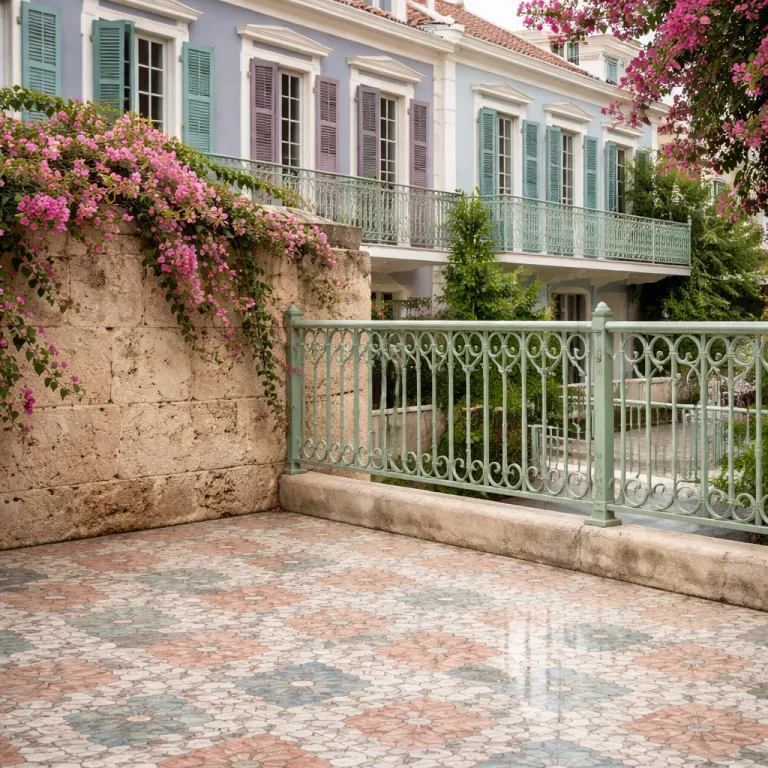
Willemstad is the cultural heart of Curacao and a strategic base for guests who want both city life and easy access to a nearby beach. When considering Curacao what to see, the pastel waterfront, harbor views, and the iconic queen emma bridge create a memorable first impression. Many premium hotels sit within walking distance of this area, allowing you to explore on foot and return quickly to refined comfort.
The queen emma floating bridge links the Punda and Otrobanda districts, and its gentle movement over blue Caribbean water is part of the city’s daily rhythm. From here, you can enjoy a sweeping view of the harbor, the colorful facades, and cruise ships arriving for a day trip on the island. Evening strolls across emma bridge feel particularly atmospheric, especially when combined with a dinner at nearby restaurants bars that highlight local seafood and international cuisine.
Willemstad is also known for vibrant street art that transforms walls into open air galleries. Guided tours or self exploration with digital maps help you navigate murals in different neighborhoods, while luxury hotels can arrange private guides for a more tailored experience. This urban creativity contrasts beautifully with the calm of nearby beaches Curacao, giving you both cultural depth and coastal relaxation in a single day.
For travelers comparing Curacao what to see across districts, staying in or near the historic center offers strong value. You gain quick access to shopping, museums, and harborfront cafés, yet you remain within a short drive of blue bay, jan thiel, or mambo beach. This balance suits guests who appreciate both city sophistication and the option to retreat to a quieter sandy beach whenever they wish.
Beaches Curacao, blue bay, and the appeal of curated coastal days
The island’s coastline is central to any discussion of Curacao what to see, especially for guests choosing luxury or premium hotels. Many properties are positioned to maximize the view of turquoise water, with direct paths to a sandy beach or private access to sheltered coves. This layout allows you to move easily between your room, the beach bar, and curated activities such as snorkeling or stand up paddling.
Blue bay is a popular choice for travelers who want a full service beach experience with clear waters and on site amenities. Upscale resorts here often provide loungers, towel service, and attentive staff, creating a seamless transition from breakfast to a relaxed day by the Caribbean sea. The area also offers golf, water sports, and family friendly facilities, making it suitable for couples and multigenerational trips alike.
Further along the coast, cas abao and abao beach are frequently cited among the best beaches Curacao can offer. These spots combine white sand, calm water, and excellent snorkeling conditions, with reef life visible just a short swim from the shore. Many guests staying in Willemstad or other districts arrange a day trip to these beaches, often through local tour operators or hotel concierges who coordinate transport and timing.
When evaluating Curacao what to see along the coast, consider how much structure you prefer in your day. Some travelers enjoy the lively rhythm of mambo beach, with music, restaurants bars, and social energy from morning to night. Others favor a small, quieter playa where the main sounds are waves and the soft clink of glasses at a low key beach bar as the sun sets over the island.
Playa lagun, klein curacao, and snorkeling in clear waters
For many visitors, Curacao what to see includes intimate coves and exceptional snorkeling in clear waters. Playa lagun is a small inlet framed by cliffs, where turtles and colorful fish are often spotted close to shore. Luxury and premium hotels frequently recommend this playa to guests who want a quieter atmosphere and a strong chance of marine life encounters without long boat rides.
Snorkeling and diving are central to the island’s appeal, and several beaches Curacao wide offer easy access to reefs. Playa lagun, cas abao, and blue bay each provide different underwater landscapes, from coral gardens to gentle slopes where beginners feel comfortable. Many hotels partner with local dive centers, ensuring that equipment, safety briefings, and guided tours are handled by qualified professionals.
A highlight for many is a day trip to klein curacao, a small uninhabited island southeast of the main coast. Boat tours depart in the morning, giving you a full day to enjoy the long sandy beach, shallow blue water, and excellent snorkeling conditions. On klein curacao, the sense of space and isolation contrasts with busier areas like mambo beach, offering a different perspective on Curacao what to see in terms of natural beauty.
Because klein curacao is remote, most tours include meals, shade, and equipment, simplifying logistics for travelers staying at high end properties. Your hotel concierge can help you select the best operator, taking into account comfort level, group size, and preferred departure point. This attention to detail ensures that your Caribbean experience remains smooth from harbor pickup to the final view of the island as you sail back at the end of the day.
Christoffel national park, shete boka, and elevated island views
Beyond the beaches, Curacao what to see extends inland to rugged landscapes and panoramic viewpoints. Christoffel national park covers a large area in the northwest, where hiking trails lead through desert vegetation, historic plantations, and up to christoffel mountain. From the summit, you gain a sweeping view of the island, the Caribbean sea, and the contrast between green slopes and blue horizons.
Christoffel mountain is best climbed early in the day, when temperatures are cooler and the light is softer. Luxury hotels often arrange private transfers and guides, ensuring you have water, proper footwear, and clear information about trail difficulty. This level of support is especially valuable for guests who want to enjoy the national park without worrying about navigation or timing.
Nearby, shete boka national park showcases a different side of Curacao what to see, with dramatic coastal inlets where waves crash against volcanic rock. Boardwalks and viewing platforms allow you to safely observe blowholes and sea spray, while still respecting the power of the water. The area feels far removed from the calm of a sandy beach, yet both experiences together reveal the island’s geological variety.
Combining christoffel national park and shete boka in a single day trip is common, especially for travelers based in Willemstad or along the western coast. Many visitors appreciate returning afterward to the comfort of a premium hotel, perhaps relaxing at a beach bar or pool with a view of the sunset. This rhythm of active exploration followed by refined relaxation is central to how many guests structure their time on the island.
Planning refined stays, curated tours, and small-scale elegance
Thoughtful planning helps you align Curacao what to see with the style of stay you prefer. Some travelers prioritize a central base in Willemstad, using guided tours and rental cars to reach beaches Curacao wide, from blue bay to playa lagun. Others choose a coastal resort and make occasional forays into the city for street art, shopping, and evenings on queen emma bridge.
For guests who value intimate atmospheres, a curated selection of small hotels in Curacao for refined island stays can be especially appealing. These properties often emphasize personalized service, calm surroundings, and easy access to a nearby beach or cove. You can explore options and inspiration through resources such as this guide to refined small hotels in Curacao, then compare locations near cas abao, jan thiel, or mambo beach.
Local tour operators and the Curacao Tourism Board encourage visitors to balance coastal relaxation with cultural and natural excursions. Options include harbor tours, street art walks, snorkeling trips to klein curacao, and guided hikes in christoffel national park. Whether you choose group excursions or private outings, hotels can coordinate logistics so that each day feels structured yet flexible.
As you finalize your itinerary, remember practical considerations that enhance comfort and safety. Authorities recommend that visitors stay hydrated, use sunscreen, and respect local customs, especially when exploring rural area communities or religious sites. With these basics in place, you can focus on the best aspects of Curacao what to see, from clear waters and sandy beach settings to the layered history and warm hospitality that define the island.
Practical tips for premium stays and Curacao what to see
Curacao welcomes visitors throughout the year, with stable temperatures that support beach days in every season. According to official data, the average temperature is around 27 °C, which suits both relaxed sunbathing and active tours. This climate means you can plan snorkeling at playa lagun, a day trip to klein curacao, or an evening on queen emma bridge without strict seasonal constraints.
When organizing Curacao what to see, consider travel formalities and safety as part of your planning. Authorities note that visa requirements depend on nationality, so it is important to check with your local embassy before booking flights and hotels. Regarding security, guidance indicates that Curacao is safe for tourists, provided you follow standard precautions such as safeguarding valuables and being aware of your surroundings in any urban area.
Transportation on the island typically combines taxis, rental cars, and organized tours. Many premium hotels can arrange private transfers to beaches Curacao wide, including blue bay, cas abao, abao beach, and jan thiel, as well as to christoffel national park and shete boka. This support allows you to enjoy each playa, beach bar, and viewpoint without worrying about parking or unfamiliar roads.
Finally, align your accommodation choice with the experiences you value most, whether that is immediate access to a sandy beach, proximity to Willemstad’s street art, or easy departure points for klein curacao excursions. With around 500 000 annual visitors, the island has developed a mature hospitality infrastructure that still retains a relaxed Caribbean character. By combining credible local advice, curated hotel selections, and thoughtful scheduling, you can fully appreciate the best of Curacao what to see during your stay.
Key statistics for planning a Curacao stay
- Annual visitors to Curacao : approximately 500 000 people.
- Average temperature on the island : around 27 °C year round.
Essential questions about visiting Curacao
What is the best time to visit Curacao?
What is the best time to visit Curacao? Year-round, with peak season from December to April.
Do I need a visa to visit Curacao?
Do I need a visa to visit Curacao? Depends on nationality; check with local embassy.
Is Curacao safe for tourists?
Is Curacao safe for tourists? Yes, with standard precautions.