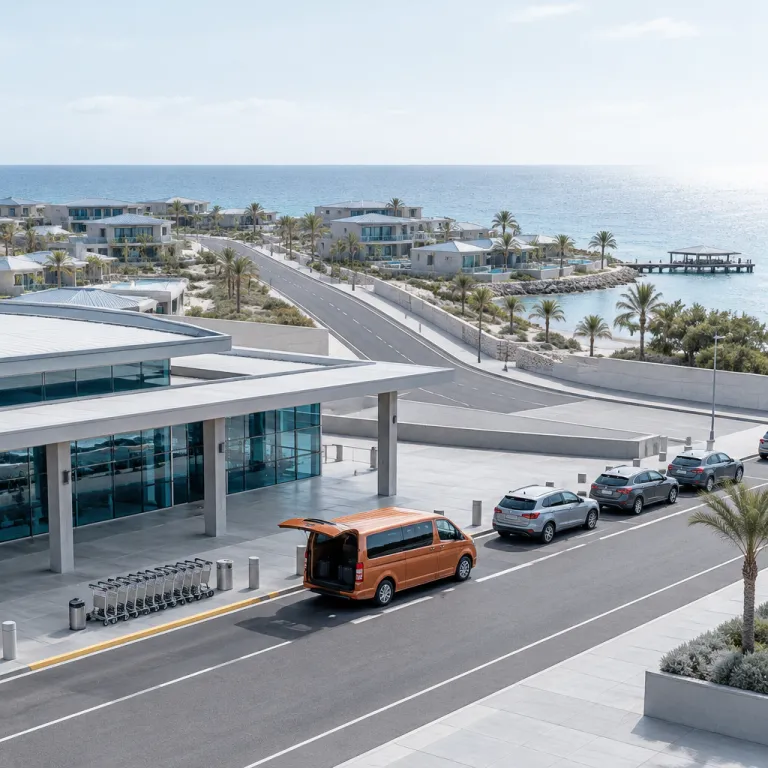
Arriving at Hato International: from runway to first rum punch
Landing in Curaçao feels surprisingly efficient for a Caribbean island. Hato International Airport is compact, with immigration lines that move steadily when several booths are staffed, yet travelers arriving on peak weekend flights should still expect a 30 to 45 minute wait at busy times. If you prefer a softer landing for your first Curaçao travel experience, consider pre booking a fast track or VIP meet and greet service that escorts you through formalities and straight to a waiting car.
The immigration process is straightforward for most US visitors, provided your passport is valid for the duration of your stay and you have proof of onward travel. Curaçao is part of the Kingdom of the Netherlands, so the officers follow Dutch border procedures, but they are generally friendly and used to English speaking guests. You clear immigration, collect luggage from a single carousel area, then pass customs where random bag checks happen but usually move quickly during the day.
Once outside, the real decisions that shape your trip begin. First time visitors often underestimate how much the layout of the island will influence every beach day, dinner reservation and sunset view. Before you travel and visit Curaçao, decide whether you want the simplicity of a resort transfer, the flexibility of a stay with your own rental car, or the comfort of a pre arranged private driver who knows the best routes across Curaçao.
Transfers, taxis and VIP cars: choosing your first ride on the island
Outside the arrivals hall, you will find a line of licensed taxis with fixed fares to most parts of the island. Curaçao taxis are not cheap compared with some Caribbean destinations, so travelers who plan to move several times between Willemstad and the western beaches may save money by renting a car instead of relying on cabs every day. Expect the ride from Hato to central Willemstad Curaçao to take around 20 minutes in light traffic, longer at peak time when cruise passengers and resort shuttles share the same roads.
Many premium properties and every serious Curaçao resort can arrange private transfers in advance. For a romantic first impression, ask your hotel to book a sedan or SUV with chilled water and a driver who can point out landmarks such as the Queen Juliana Bridge and the pastel waterfront of Willemstad on the way to your stay. Travelers planning a destination wedding or vow renewal should coordinate transfers together with their chosen Curaçao wedding venues for refined Caribbean celebrations, so that guests arrive smoothly and on time for each event.
If you prefer a higher touch arrival, several local operators offer VIP car services that meet you at the exit and handle luggage while you adjust to the island heat. Companies such as Blue Skies VIP Services and Curaçao VIP Transfers can be pre booked and are especially useful if you land late at night, feel tired after a long trip through the ABC islands, or simply do not want to negotiate taxi lines on your first Curaçao visit. Whatever you choose, confirm the fare in advance, keep small US dollar bills or Netherlands Antillean guilders ready, and remember that tipping 10 to 15 percent is standard for friendly, efficient service.
Why renting a car changes your Curaçao stay
For travelers who like to explore, renting a car at Hato is the single decision that most transforms how you travel Curaçao. The island stretches roughly 64 kilometres from east to west, and the most dramatic coves, cliff jumping spots and white sand bays sit far from the main resort zones. Without your own wheels, it becomes harder to reach the top beaches and hidden places to visit that make Curaçao feel special.
Most major rental brands operate directly at the airport, and several local companies offer competitive rates if you book ahead. A compact car stay is usually enough for paved roads, but if you plan to visit more remote coves on the west coast or drive to the ferry for Klein Curaçao excursions, consider a slightly higher clearance vehicle. Expect typical daily rates for a small car to start around US$40 to US$60 with reputable agencies such as Avis, Budget or local firm Just Drive Curaçao when booked in advance. Driving is on the right, road signs follow Curaçao Dutch and international standards, and traffic around Willemstad can be busy at rush hour yet feels manageable the rest of the day.
Travelers planning to work remotely during their trip often combine a rental car with a long stay at a resort that understands digital nomads. Before you commit, read detailed reviews of working from Curaçao at resorts with real Wi Fi, quiet lobbies and month long rates that make sense, so you can find a base that balances productivity with easy access to the best beaches. Taxis remain useful for evenings when you do not want to drive after cocktails, but for daytime exploring across Curaçao, a rental car gives you the freedom to chase whichever view looks most inviting.
Money, language and the quiet comfort of Curaçao’s safety net
Understanding how money works on the island helps you relax into your stay. Curaçao uses the Netherlands Antillean guilder as its official currency, yet US dollars are widely accepted in resorts, many restaurants and tour operations that cater to Caribbean travelers. You will often see prices in both currencies, so check which one applies before you pay and keep a small mix of cash for beach bars, cliff jumping guides and local snack stands that may not accept cards.
Credit cards are standard at every serious Curaçao resort and in most places to visit around Willemstad, Jan Thiel and the larger beach clubs. ATMs dispense guilders and sometimes US dollars, but your bank may charge foreign transaction fees, so plan ahead if you want to save money on withdrawals during a longer stay. Tipping is appreciated rather than aggressively expected, with 10 to 15 percent common in restaurants and a few dollars per day for housekeeping in higher end properties.
Language rarely becomes a barrier when you travel Curaçao for the first time. Papiamentu is the local language, Dutch is the official administrative language, and English and Spanish are widely spoken in hotels, on tours and in most Curaçao restaurants. This multilingual comfort, combined with reliable tap water, well stocked pharmacies and a generally safe environment, gives visitors the confidence to rent a car, explore beyond their resort beach and enjoy the island at their own pace.
Choosing your base: Pietermaai, Jan Thiel or the quiet west
Where you choose to stay shapes how you experience Curaçao from the first day. Pietermaai, just east of Willemstad’s historic core, suits travelers who want to walk to wine bars, live music and intimate restaurants after a day at the beach. The architecture mixes restored Dutch townhouses with contemporary design, and many rooms offer a partial sea view or courtyard pool that feels far from the cruise crowds.
Jan Thiel, on the southeastern curve of the island, is built around a sheltered bay with calm water and a curated strip of restaurants, lounges and a family friendly beach club. This area works well if you prefer a resort style environment with easy access to amenities, yet still want to drive out to the top west coast coves on some days. For a more secluded Curaçao stay, look toward Banda Abou on the western half of the island, where low rise properties sit close to reefs, and the best things to do in Curaçao often involve nothing more than a mask, fins and a quiet cove.
Travelers seeking high privacy and serious service should look at beachfront elegance and private pool villas in Curaçao, where properties such as Baoase offer a level of seclusion that feels almost like your own island. Booking through a curated platform that focuses on the best Curaçao resort options helps you find stays that match your style without wading through generic listings that earn commission without adding insight. Wherever you base yourselves, remember that Curaçao visit patterns are flexible, so you can split time between an urban first half in Willemstad and a slower second half near the white sand bays of the west.
Hidden gems, day trips and the mistakes couples quietly regret
Social media makes Curaçao look like an endless carousel of infinity pools and floating bridges, yet the island rewards travelers who look beyond the obvious. One of the most memorable day trips is a boat ride to Klein Curaçao, a tiny uninhabited island with white sand so bright you will be grateful for strong sunglasses. Choose an operator that limits passenger numbers, offers shaded areas on board and times the visit to avoid the busiest hours when large groups arrive. Well reviewed outfits such as Mermaid Boat Trips and BlueFinn Charters typically include lunch, snorkel gear and drinks in the day rate.
On the main island, some of the best things Curaçao offers are small scale experiences that rarely appear in glossy brochures. Swim at Playa Lagun in the late afternoon when fishermen return and sea turtles cruise the bay, or time your visit to Playa Kenepa Grandi for early morning when the water is glassy and the cliffs glow in soft light. If you enjoy a little adrenaline, ask locals about safe cliff jumping spots where the depth is checked regularly, and always follow their guidance rather than copying what you see online.
The most common first timer mistakes are easy to avoid once you understand the rhythm of Curaçao travel. Visitors often over schedule, trying to tick off every beach and attraction in three days, when the island is better savoured over a longer stay with room for lazy afternoons. Others focus only on all inclusive resorts and never rent a car, which means they miss the west coast entirely and leave without understanding why so many Caribbean regulars call Curaçao one of the top islands for independent travelers.
Sun, packing and the realities of a year round Caribbean climate
Curaçao sits just outside the traditional hurricane belt, which means the island enjoys relatively stable, year round sunshine with only modest seasonal shifts. The trade winds keep temperatures comfortable, yet the UV index remains high, and many first time visitors underestimate how quickly they burn on their first beach day. Pack reef safe sunscreen, wide brimmed hats and light long sleeved shirts, and reapply protection more often than you would at home, especially when you spend time in and out of the water.
Air conditioning in resorts, restaurants and even taxis can feel aggressive after hours in the Caribbean heat. Bring a light layer for indoor dinners in Willemstad and for evening casino visits, so you do not shiver through a romantic meal after a warm sunset view. If you plan to dive or snorkel extensively, pack your certification card, a well fitting mask and perhaps your own shorty wetsuit, as water temperatures can feel cooler after several hours of continuous immersion.
Thoughtful packing also helps you save money and avoid last minute purchases at resort boutiques. Include a dry bag for boat trips to Klein Curaçao, water shoes for rocky entries at some coves, and a compact first aid kit for minor coral scrapes or insect bites. With these details handled before you travel Curaçao, you can focus your time visit on the pleasures that matter most to travelers: long swims, unhurried dinners and the quiet satisfaction of knowing you planned everything except, perhaps, the exact shade of your next sunset.
Key figures for planning your Curaçao trip
- Curaçao’s average daytime temperature hovers around 28 to 31 degrees Celsius year round, with trade winds moderating the heat compared with some other Caribbean islands (data from the Curaçao Meteorological Department, 1991–2020 climate normals).
- The island receives roughly 570 millimetres of rainfall annually, significantly less than many neighbouring islands, which supports reliable beach weather for most of your stay (World Bank climate data and Curaçao Meteorological Department summaries).
- Hato International Airport handles over a million passengers per year, with direct flights from major US hubs such as Miami and New York, making Curaçao travel logistics simpler than many smaller islands (Curaçao Airport Partners traffic reports for recent years).
- Tap water in Curaçao is produced through desalination and meets World Health Organization standards, allowing visitors to drink safely from the tap and reduce plastic bottle use during their trip (Curaçao Water Board information on drinking water quality).
FAQ about first time travel to Curaçao
What is the best time to visit Curaçao for couples ?
Curaçao is a year round destination thanks to its position outside the main hurricane belt and relatively low rainfall. Trade winds keep temperatures comfortable, so the best time to visit often depends more on your tolerance for crowds and flight prices than on weather. Many couples prefer shoulder periods outside major US holidays, when resorts feel calmer and you may find better rates.
Do I need a car to enjoy Curaçao’s beaches and hidden coves ?
You can stay in Willemstad or Jan Thiel without a car and still enjoy nearby beaches, but renting a vehicle unlocks the quieter coves and top snorkel spots on the west coast. Taxis become expensive if you use them daily for long distances, so a car stay often makes sense for travelers who like to explore. With a car, you can time your visit to popular bays for early morning or late afternoon, when the light and atmosphere are at their best.
Is Curaçao safe for first time visitors ?
Curaçao has a generally good safety profile compared with many Caribbean islands, especially in resort areas and central Willemstad. Normal urban precautions apply : avoid leaving valuables in cars, use hotel safes and stay aware in crowded nightlife zones. Most visitors report feeling comfortable driving, walking between restaurants and returning to their resort after dinner.
Which area should I choose for my first stay in Curaçao ?
Pietermaai suits couples who want walkable access to restaurants, bars and the historic heart of Willemstad. Jan Thiel works well if you prefer a self contained beach area with resort style amenities, while Banda Abou on the west coast offers quieter stays close to the best snorkelling and white sand coves. Many first timers split their trip between two areas to experience both urban energy and relaxed Caribbean seclusion.
What should I pack that I might not think of for Curaçao ?
Beyond standard beachwear, pack reef safe sunscreen, a light layer for strong indoor air conditioning and water shoes for rocky entries at some coves. A dry bag is useful for boat trips to Klein Curaçao, and a compact first aid kit covers minor scrapes from coral or rocks. If you dive or snorkel often, bringing your own mask and certification card can make your Curaçao travel smoother and more comfortable.