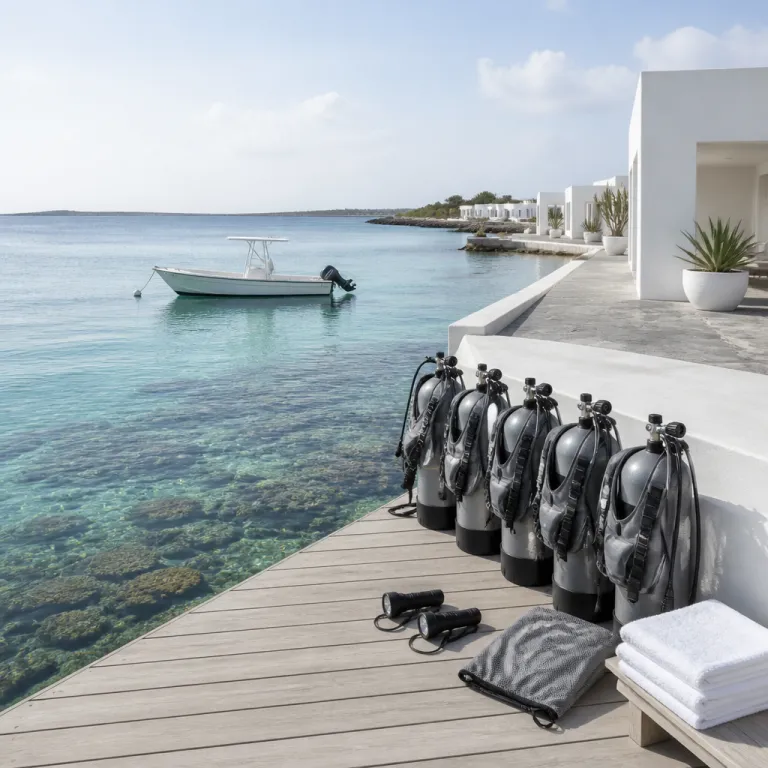
Planning your coral spawning Curaçao diving season from a luxury base
Between August and October, Curaçao’s west coast becomes the stage for the coral spawning Curaçao diving season, when reefs release clouds of gametes into the warm Caribbean water. For a solo explorer who values both comfort and precision timing, the smartest move is to anchor your stay at a luxury hotel within a short drive of key dive sites like Shipwreck Point, Directors Bay and Playa Kalki. Coral spawning occurs 7-10 days after the full moon between August and October, and those dates shape everything from your room category to your late check-out request.
High end properties in Willemstad’s Pietermaai district and along the island’s quieter southwest shore work closely with specialist dive teams, so your night dives are planned around the spawning season rather than the other way around. When you speak with the concierge, ask specifically about curated dive travel packages that include shore diving at house reefs and boat access to outer reef sites, because the best coral spawning often happens where currents carry gametes across healthy coral species. The most reliable operators insist on at least Open Water certification for these scuba diving experiences, while Advanced Open Water and recent night diving practice make the long dives more comfortable.
Expect water temperatures around 27-29 °C and visibility that can exceed 30 metres, which means you can watch elkhorn coral and star coral colonies release gametes in astonishing detail. Many luxury hotels coordinate with a resident or partner dive team that understands predictive spawning models and the nuances of each dive site, from mushroom forest to the steep walls near Directors Bay. Book your room and your curated dives well in advance, because there is only one spawning season each year and the number of spaces on full moon night dives is deliberately limited.
Where to stay for front row access to Curaçao’s spawning reefs
If your priority is to be as close as possible to the coral reef action, focus on luxury hotels near the island’s northwest and central south coast, where many of Curaçao’s signature dive sites sit just offshore. Properties near Playa Kalki, also known as Alice in Wonderland, put you within minutes of one of the most reliable coral spawning sites, while upscale resorts closer to Willemstad offer quick transfers to Shipwreck Point and Stella Maris for curated night dives. From these bases you can combine relaxed shore diving at house reefs with boat dives timed to the full moon, letting you experience both intimate coral restoration projects and wide angle views of spawning events.
Solo travelers who like to mix underwater intensity with daytime stillness often choose refined hotels that offer late breakfast, quiet pools and strong Wi-Fi, so they can rest between night dives without sacrificing comfort. When comparing options, ask which dive équipe they partner with for coral spawning Curaçao diving season trips, and whether those teams are involved in reef renewal or coral restoration initiatives such as planting acropora palmata and elkhorn coral fragments. A property that supports reef renewal usually has staff who can explain how coral species on their house reef respond to spawning events, and why certain dive sites are favoured on specific nights.
If you are tempted to add a day trip by boat to Klein Curaçao, choose a hotel that can arrange a premium Klein Curaçao by boat experience without compromising your night diving schedule. The Klein Curaçao excursions are ideal on rest days between intense dives, when your body needs a break but your eyes still crave Caribbean blues and healthy corals. Some guests pair Curaçao with nearby Bonaire on the same trip, but if coral spawning is your focus, keep most of your dives on Curaçao’s island reefs where local operators have refined their timing over many years.
Hidden reef gems and plantation house retreats for the spawning season
Once you have secured your full moon dive schedule, you can start layering in Curaçao’s quieter luxuries, from historic plantation houses turned intimate retreats to under the radar dive sites that rarely see a crowd. West end properties near Watamula and mushroom forest give you access to coral reef systems where spawning events feel almost private, with only a handful of divers hovering above elkhorn coral and star coral colonies as they release gametes into the dark. These areas are also hubs for coral restoration and reef renewal projects, so your dives can double as a masterclass in how acropora palmata and other coral species are being protected.
On surface intervals, trade the water column for Curaçao’s cultural depth by staying in or visiting restored landhuis estates that now host galleries, restaurants and refined guest rooms. Our guide from landhuis to gallery shows how these plantation houses have become some of the island’s most unexpected afternoon escapes, pairing Caribbean light with Dutch architectural lines. Choosing a luxury stay in or near one of these properties lets you balance the intensity of night diving with slow mornings in shaded courtyards, where you can review underwater photos and plan the next curacao dive with your preferred team.
For solo explorers who want a broader sense of place, it is worth reading a curated list of essential things to see and do in Curaçao for luxury minded travelers before locking in your itinerary. That way, you can align your reef focused nights with daytime visits to coastal viewpoints, design forward cafés and quiet bays that are ideal for a gentle shore diving session. The rhythm becomes addictive ; coral spawning Curaçao diving season nights, culture rich days and just enough stillness in between to feel the island rather than simply transit through it.
How to book spawning dives with conservation in mind
Securing a place on coral spawning Curaçao diving season trips requires more than a quick email, because operators limit numbers to protect the reef and keep the experience focused. Start by contacting reputable dive centres such as Ocean Encounters, GO WEST Diving, The Dive Bus or Dive Center Pietermaai, and ask specifically about their spawning season schedules and which dive sites they prioritise on different full moon windows. Many of these teams collaborate with marine biologists and conservation organisations, using predictive spawning models and long term reef data to decide whether a given dive site or coral reef section is ready for visitors.
When you book, expect to share detailed information about your scuba diving history, including recent night dives and any experience with strong currents or low light conditions. Operators may recommend a warm up curacao dive earlier in the week at an easier dive site, so they can assess buoyancy control before taking you over dense corals during sensitive spawning events. Some centres also invite guests to join coral restoration or reef renewal activities on non spawning nights, such as cleaning coral nurseries or helping monitor elkhorn coral and acropora palmata growth on nearby reef structures.
Responsible dive travel means accepting that the coral, not the calendar, has the final word, and sometimes conditions or coral species behaviour will shift plans at the last minute. As one research summary puts it, “When does coral spawning occur? 7-10 days after the full moon between August and October. Where can I witness coral spawning? Locations like the Great Barrier Reef and Flower Garden Banks. Why is coral spawning important? It ensures coral reproduction and reef sustainability.” In Curaçao, that same logic applies ; your patience and respect for marine life help ensure that this island remains one of the Caribbean’s most quietly spectacular places to witness coral spawning events year after year.
FAQ
When is the best time to see coral spawning in Curaçao ?
The prime coral spawning Curaçao diving season runs from August through October, with spawning events usually happening 7-10 days after each full moon. Most dives start 30-60 minutes after sunset and can last up to two hours. Plan to stay on the island for at least a week around your chosen full moon to maximise your chances.
Which dive sites in Curaçao are known for coral spawning ?
Key dive sites for spawning include Shipwreck Point, Playa Kalki or Alice in Wonderland, Stella Maris, Directors Bay and Watamula, along with mushroom forest for its dramatic coral reef formations. These sites host dense colonies of elkhorn coral, star coral and other coral species that participate in spawning events. Local operators adjust the exact dive site choice based on recent observations and reef conditions.
What certification and experience do I need for spawning season dives ?
Most Curaçao operators require at least Open Water certification for coral spawning dives, but strongly recommend Advanced Open Water and recent night diving experience. You should be comfortable with buoyancy control over fragile corals and able to manage your equipment in low light. Many guests schedule a check dive or two earlier in the trip to refresh skills before the main spawning dives.
How does coral spawning relate to reef health and restoration ?
Mass spawning events are a key part of coral reef renewal, because they spread gametes that can settle and grow into new corals, increasing genetic diversity. Healthy spawning is a positive sign for long term reef sustainability and supports coral restoration projects that focus on species like elkhorn coral and acropora palmata. By choosing operators involved in conservation, your dives can contribute data and funding to ongoing reef restoration work.
Can I combine Curaçao’s coral spawning season with a trip to Bonaire ?
Many divers pair Curaçao and Bonaire in a single Caribbean journey, using inter island flights or short regional connections. If coral spawning is your main goal, keep most of your night dives in Curaçao, where operators have specific schedules for the local reefs. You can then add a few days of relaxed shore diving in Bonaire before or after, treating it as a complementary chapter to your spawning focused travel.