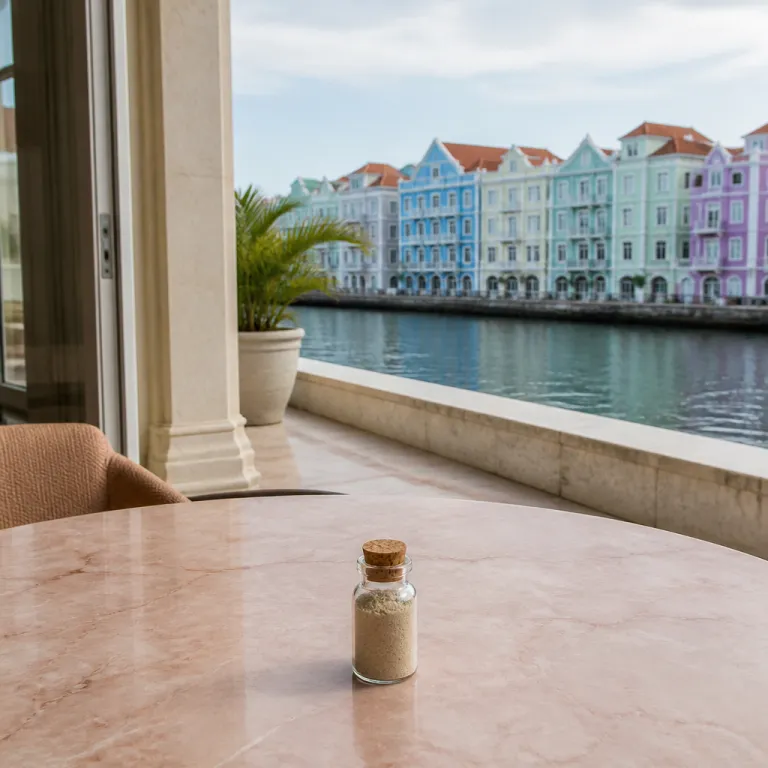
The sand floored sanctuary at the heart of Curaçao Jewish heritage
Step from Willemstad’s bright waterfront into a sanctuary layered with Curaçao Jewish heritage synagogue history. Inside the historic Mikvé Israel Émanuel synagogue, the sand floor hushes every footstep and connects the jewish congregation to centuries of seafaring trade, exile, and spiritual resilience. For a luxury traveler used to polished marble and climate controlled lobbies, this cool expanse of sand underfoot feels unexpectedly intimate and quietly powerful.
The synagogue stands as the oldest continuously used temple of its kind in the Americas, and it anchors curacao Jewish memory in the middle of a working Caribbean island capital. Its soaring wooden galleries, brass chandeliers, and carved bimah tell a story of sephardic jews who arrived from the spanish and portuguese worlds via amsterdam, then built a jewish community that shaped commerce and civic life. When you sit beneath the high ceiling and watch light fall across the sand, Curaçao Jewish heritage synagogue history stops being an abstract phrase and becomes something tactile, almost domestic.
Luxury hotels in Willemstad now weave curated visits here into private jewish travel itineraries, pairing a guided tour of Mikvé Israel Émanuel with conversations about jewish life on the island today. A knowledgeable rabbi or lay spiritual leader often explains how the congregation Mikvé Israel Émanuel merged sephardic and ashkenazi jews into one community, while still honouring distinct rites and melodies. For business travelers extending a stay, this quiet hour in the synagogue offers a counterpoint to boardrooms and beach clubs, grounding curacao jewish experiences in something older than any resort.
From trade winds to Torah scrolls: how jews in Curaçao shaped an island
Long before Curaçao became shorthand for reef dives and infinity pools, sephardic jews were negotiating cargoes in Willemstad’s natural harbour and building a jewish community that bridged continents. Merchants linked the island to amsterdam, the spanish Main, and ports where other jewish populations had taken root, turning this dutch outpost into a hub for regional trade. That commercial success funded Mikvé Israel, the jewish cemetery, and the schools and charities that still define jewish life in community Curaçao.
Walking the streets around the synagogue, you move through layers of history that most beach focused itineraries miss entirely. Elegant former merchant houses, some now restored as design forward hotels or cultural spaces, speak to a time when jews in Curaçao sat at the centre of island commerce and diplomacy. This is where the story of Curaçao Jewish heritage synagogue history intersects with the broader narrative of dutch colonial architecture and the island’s multicultural fabric.
Several of these mansions and landhuizen now host galleries and refined restaurants, making them ideal stops on a half day heritage walk. For a deeper look at how historic estates evolved, pair your synagogue visit with an afternoon exploring a restored plantation house turned gallery, using a guide such as this feature on how Curaçao’s plantation houses became the island’s most unexpected family afternoon: plantation houses turned galleries. In a single day, you can trace a line from Torah scrolls and sand floors to the art filled salons where today’s island conversations unfold.
Synagogues, cemeteries, and congregations: mapping Curaçao’s jewish quarter
The area around Mikvé Israel Émanuel functions as a compact jewish quarter, where sacred spaces and everyday streets sit side by side. Start with the main synagogue, then follow your guide toward the jewish cemetery, where weathered stones in hebrew, spanish, and dutch mark generations of sephardic jews and later ashkenazi jews who chose this island as home. The cemetery’s carved symbols and epitaphs offer a parallel text to Curaçao Jewish heritage synagogue history, telling stories of merchants, rabbis, and families in the language of stone.
Within the synagogue complex, the small museum deepens the narrative of jewish travel and settlement in the Caribbean. Exhibits trace how jews in Curaçao balanced religious life with the demands of trade, and how the congregation Mikvé Israel navigated shifting political winds while maintaining ties to amsterdam and other diaspora centres. You see ritual objects from both sephardic and ashkenazi traditions, a tangible reminder that the jewish population here has always been more layered than a single label suggests.
Not far away, the former Temple Emanuel building and references to Shaarei Tsedek and other congregations speak to moments when the jewish community in Willemstad was large enough to sustain multiple synagogues. Over time, these strands converged into the united Mikvé Israel Émanuel congregation, often written historically as Mikveh Israel, Mikve Israel, or even Israel Emanuel and Israel Emmanuel in older documents. For travelers who care about how buildings are reused, this district also illustrates why Curaçao’s hotel investors keep buying old buildings instead of building new ones, a trend explored in depth here: historic buildings over new builds.
From Pietermaai to Scharloo: staying in style near Curaçao’s jewish story
For luxury travelers, the most rewarding way to engage with Curaçao Jewish heritage synagogue history is to sleep within walking distance of it. The revitalised Pietermaai district, a short stroll from the synagogue and jewish cemetery, offers character rich stays in restored townhouses where high ceilings, original tiles, and shaded courtyards echo the island’s mercantile past. From here, you can wander to morning services or a private tour, then return to a poolside chaise before your afternoon meetings.
Across the water, Scharloo and Scharloo Abou showcase another layer of jewish life and architecture, with former merchant mansions now housing creative studios, offices, and a handful of intimate luxury properties. Many of these buildings once belonged to members of the jewish community Curaçao, including families linked to Mikvé Israel Émanuel and Temple Emanuel, and their façades still carry hebrew initials or dates above the doors. Staying here turns names like congregation Mikvé Israel, Shaarei Tsedek, and Emanuel synagogue from footnotes into neighbours, part of the streetscape you pass on your way to dinner.
High end concierges in Willemstad now curate jewish travel experiences that weave together synagogue visits, meetings with a rabbi or lay spiritual leader, and private walks through these revived quarters. They can arrange a guided route that starts at the sand floored sanctuary, continues through Scharloo’s pastel mansions, and ends with sunset drinks overlooking the harbour where sephardic jews once loaded cargo bound for amsterdam and beyond. It is a way of staying in Curaçao that treats the island not just as a beach escape, but as a living archive of jewish heritage and cosmopolitan island life.
Designing a luxury itinerary around Curaçao’s jewish heritage
A well crafted itinerary lets you experience Curaçao Jewish heritage synagogue history without sacrificing the island’s other pleasures. One elegant option is to anchor yourself in a waterfront suite in Pietermaai or Otrobanda, then dedicate a half day to Mikvé Israel Émanuel, the museum, and the nearby jewish cemetery with a private guide. The rest of the day can unfold at a slower pace, with lunch in a restored merchant house and a late swim back at your hotel.
For a longer stay, consider balancing jewish life in Willemstad with the island’s wilder edges. After a morning tracing the story of sephardic jews, ashkenazi jews, and the united jewish community Curaçao, you might head out the next day on a curated Klein Curaçao excursion, using a specialist guide such as this deep dive into whether the sunrise departure is worth it: Klein Curaçao by boat. That contrast between sand under synagogue pews and sand on an uninhabited beach captures the island’s range better than any marketing slogan.
Throughout, the key is to treat jewish heritage as a central thread rather than a rainy day option. Ask your hotel to arrange meetings with members of the jewish population who are active in congregation Mikvé Israel or in cultural organisations preserving jewish heritage and jewish life on the island. When Curaçao’s sun, sea, and synagogue sit side by side in your schedule, the island stops being just another dutch Caribbean stopover and becomes a place where trade routes, faith, and contemporary luxury quietly intersect.
FAQ
Is the Mikvé Israel Émanuel synagogue open to non jewish visitors ?
Yes, the Mikvé Israel Émanuel synagogue in Willemstad welcomes non jewish visitors during posted visiting hours. Guests can tour the sanctuary, walk on the sand floor, and visit the adjacent museum that explains Curaçao Jewish heritage synagogue history. Modest dress is recommended, and photography rules are usually explained at the entrance.
How much time should I plan for a visit to the jewish quarter ?
Plan at least two to three hours to experience the synagogue, museum, and nearby jewish cemetery at an unhurried pace. If you add a guided walk through Scharloo and Pietermaai to see former jewish merchant houses, a half day works better. Many luxury travelers pair this with a long lunch in a restored townhouse for a complete cultural segment.
Can my hotel arrange a private guide or rabbi led visit ?
Most high end hotels in Willemstad can arrange private guides who specialise in Curaçao’s jewish history and community life. With advance notice, it is sometimes possible to organise a conversation with a rabbi or spiritual leader connected to congregation Mikvé Israel Émanuel. This kind of curated access is especially valued by business travelers seeking deeper context during short stays.
Is there still an active jewish community in Curaçao today ?
Yes, Curaçao maintains a small but active jewish population centred around the Mikvé Israel Émanuel congregation. Services, festivals, and educational programmes continue, reflecting both sephardic and ashkenazi traditions within one community. Visitors who approach respectfully will find that jewish life here is not just historical, but part of the island’s present.
What should I wear when visiting the synagogue and jewish cemetery ?
Dress modestly, with shoulders covered and hemlines near the knee, in keeping with respect for a functioning house of worship. Men are usually offered a kippah at the entrance to the synagogue, and comfortable shoes are helpful for walking on sand and uneven paths in the jewish cemetery. Light fabrics work best in Curaçao’s climate while still meeting these expectations.