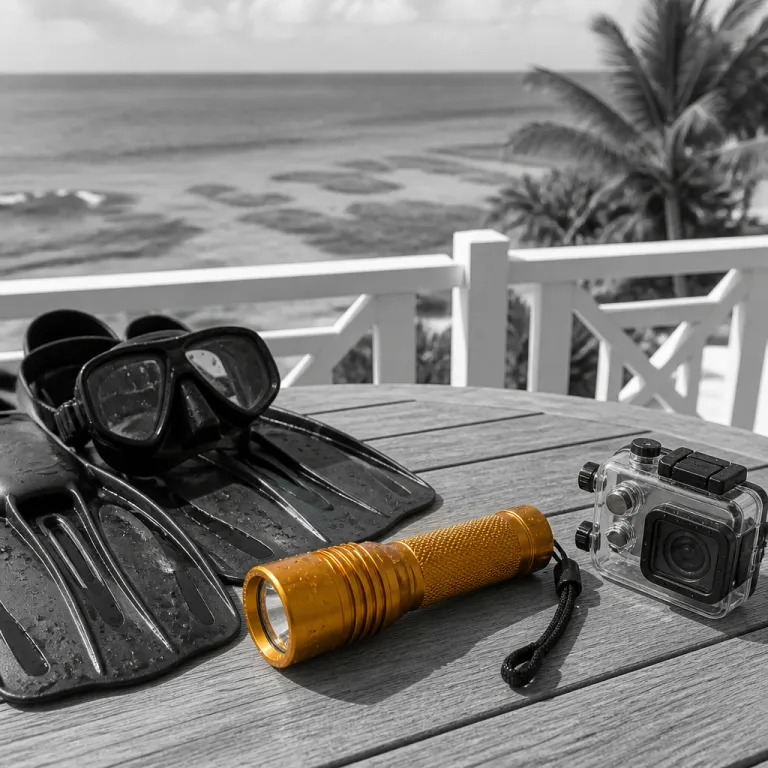
The luxury of choosing your own night on the reef
On Curaçao, the most memorable night diving reef experience often begins on a hotel terrace, not on a crowded pier. Couples watch the last light fade over the Caribbean while deciding whether this is the night for a shore dive or a relaxed night snorkeling session in front of their room. That freedom to move from a sunset drink to a quiet guided entry after dark in less than ten minutes is one of the island’s understated luxuries.
Because many premium properties sit directly on a fringing reef, you can plan an evening dive around your own rhythm rather than a boat schedule. The shore diving culture in Curaçao means divers with open water or advanced certifications can step into clear water from a private jetty, follow a marked route to the house reef, and return to their suite without ever seeing a parking lot. Typical guided night dives here range from 10 to 18 meters in depth, and small groups of four to six divers keep the atmosphere calm. For couples used to rigid timetables on liveaboards, this kind of flexible scuba diving feels indulgent.
Conditions help too, and they matter when you are curating a refined night on Curaçao’s reef from a luxury base. According to regional climate summaries from the Meteorological Department Curaçao, water temperatures generally hover between 26 and 29 degrees Celsius, currents are usually gentle, and tidal shifts are minimal, so a guided night dive rarely feels like an endurance test. That stability lets you focus on the underwater spectacle and on the intimacy of sharing a fluorescent evening on the reef with just your partner and a trusted dive center guide.
How Curaçao’s reef changes character after sunset
Once you slip beneath the surface, the reef you thought you knew from the day becomes almost unrecognizable. During daylight, Curaçao’s coral gardens feel airy and open, but at night the same reef tightens into a more intimate stage where your dive light carves out a private circle of underwater life. This is when nocturnal marine species like octopuses, lobsters, and crabs leave their crevices and turn the sand into a hunting ground.
Coral polyps that stayed tucked away in the sun now extend to feed, giving hard coral heads a soft, furred texture that transforms the entire night diving Curaçao reef experience. Basket stars unfurl like lace, moray eels roam freely, and parrotfish sleep in translucent mucous cocoons that glow back at your beam, while bioluminescent plankton flicker when a diver’s fin brushes the water. The contrast with the calm, sunlit day dives you may have done earlier is dramatic and deeply atmospheric.
Luxury travelers increasingly pair these after-dark dives with conservation-focused activities, such as a coral planting dive earlier in the day to understand how this marine life is being protected. If you are curious about what a hands-on reef restoration session involves before your first night dive, read this detailed guide to a coral planting dive in Curaçao. Reef Renewal Curaçao and similar initiatives publish monitoring data on spawning windows and restoration outcomes, and that context makes the sight of coral spawning in late summer, when clouds of eggs and sperm drift through your dive light beam, feel less like a spectacle and more like a privilege.
Signature night sites and the shore-diving advantage
Some Curaçao sites lend themselves especially well to a refined night dive, and the best luxury hotels know how to pair guests with the right operators. At Playa Kalki on the quieter west coast, the Alice in Wonderland reef drops away from shore in mushroom-shaped coral formations that look theatrical under a strong dive light. A guided night dive here often reveals seahorses wrapped around gorgonians and nudibranchs inching across sponges that you would never notice during a fast day dive.
Closer to Willemstad, the shallow Tugboat wreck at Caracasbaai is ideal for a first night diving Curaçao reef experience because the maximum depth suits open water divers and confident snorkelers. Underwater photographers love this site after dark, when macro marine life like shrimps, crabs, and tiny blennies take over the wreck, and bioluminescent plankton swirl in the water column. For couples staying at LionsDive Beach Resort, the Stella Maris Reef just offshore becomes a private-feeling playground for guided night dives arranged through Ocean Encounters, which typically schedules these excursions several evenings a week and confirms departure times at its on-site shop or via direct booking requests.
Not every evening has to be about scuba; some nights are better spent on the surface, letting the reef rest while you explore Curaçao’s lee shore by sail. If you prefer a quieter charter that matches the same premium tone as your hotel and your dives, look for operators that focus on relaxed coastal routes rather than party boats, such as those highlighted in this piece on where Curaçao’s captains take guests who want calm sailing. Alternating sailing days with night dives keeps the trip balanced and gives your body time to reset between more demanding underwater excursions.
Fluorescent nights, coral spawning and what to expect from operators
For many experienced divers, the most surreal night diving Curaçao reef experience is a fluorescent night session with UV light. Operators like Ocean Encounters and several Willemstad-based dive centers offer specialty dives where you swap your standard white beam for a filtered dive light and wear a yellow mask filter, turning the reef into an underwater gallery of neon greens, oranges, and purples. Fluorescent night diving has grown steadily in popularity over the past decade.
During these dives, certain coral species, anemones, and even some fish absorb the UV light and re-emit it in electric colours that feel almost unreal. Advancements in underwater lighting technology mean the effect is cleaner and brighter than it was a decade ago, and guides are adept at leading small groups so each diver gets time to linger over glowing coral without feeling rushed. Growing emphasis on sustainable diving practices also shapes how these specialty dives are run, with strict briefings on buoyancy, no-touch policies to protect fragile marine life, and clear explanations of recommended training such as the PADI Night Diver or equivalent specialty course.
Late summer brings another layer of drama when coral spawning events occur roughly a week after the full moon, often between August and October according to regional monitoring by Reef Renewal Curaçao and partner organizations, and some couples plan entire trips around the chance of witnessing this. Fluorescent night diving reveals glowing marine life in a way that makes these events even more striking. Because timing is sensitive and exact dates vary by year and species, work closely with your chosen dive center to align your stay with the likely window, and consider booking a series of night dives to increase your chances rather than relying on a single night. Many luxury properties will coordinate with partners such as Ocean Encounters, GO WEST Diving, The Dive Bus, or Dive Center Pietermaai to secure spots on these high-demand dives and to arrange private guides for advanced open pairs who want a more tailored pace.
Matching your hotel, training level and gear to the experience
Choosing the right luxury base for a night diving Curaçao reef experience is as much about logistics as it is about aesthetics. Properties with a true house reef and an on-site or adjacent dive center, such as several resorts along the Sea Aquarium and Pietermaai coastline, make it easy to move from suite to scuba within minutes. For couples who prefer more seclusion, high-end villas with direct sea access on the west coast pair beautifully with shore-focused operators that can meet you at your private steps.
Before you book, align your certification level with the type of dives you want to do, because many operators require at least a PADI Night Diver or equivalent training for independent night dives. If you only hold an open water card, plan to start with a guided night adventure and consider adding a specialty course during your stay, while advanced open divers can usually arrange semi-private or private guided night routes tailored to their air consumption and interests. Non-divers are not excluded either, as several calm entry points around Willemstad and the west coast are suitable for supervised snorkeling night sessions where you can watch marine life close to the surface.
Most reputable operators provide primary and backup dive lights, tanks, and weights, but frequent divers often prefer to travel with their own high-quality light and familiar mask for comfort. Use reputable dive operators, ensure proper night diving certification, and check equipment functionality before entering the water, including O-ring seals, battery levels, and backup torches. When you are ready to extend your stay beyond a single resort, consider splitting time between a full-service hotel and a more private base; our curated selection of Curaçao villas with sea views and privacy works particularly well for couples who want both pampered service and independent shore dives in one trip.
FAQ
Is night diving in Curaçao safe for couples on a luxury trip ?
Yes, with proper training and certified guides, night diving in Curaçao is considered very safe. For a premium stay, choose a reputable dive center linked to your hotel, keep group sizes small, and ensure both divers are comfortable with buoyancy and communication before attempting independent night dives.
What can I expect to see during a night dive in Curaçao ?
During a typical night dive in Curaçao you can expect to see nocturnal creatures like octopuses, lobsters, and bioluminescent organisms. You may also encounter free-roaming moray eels, sleeping parrotfish in mucous cocoons, basket stars, and, in late summer, the spectacle of coral spawning under your dive light.
Do I need special equipment for a night diving Curaçao reef experience ?
You do need some specific equipment for night diving, including dive lights and possibly fluorescent filters. Most operators supply primary and backup lights, but serious divers often bring their own high-output torch, a comfortable mask, and, for fluorescent night dives, are fitted with UV filters and yellow mask inserts by the dive center.
Can non divers still enjoy the reef after dark in Curaçao ?
Non divers can absolutely enjoy the reef at night through guided night snorkeling in shallow, calm bays. Many luxury hotels arrange snorkeling night outings directly from their jetties, where guests float above the reef with a guide, using smaller lights to watch marine life without needing scuba training.
Which Curaçao areas are best for combining luxury hotels with night dives ?
For easy access to multiple dive centers and varied night sites, the Willemstad area, including Sea Aquarium and Pietermaai, works well for couples who like dining and culture between dives. Travelers seeking quieter, more secluded nights often base themselves on the west coast near Playa Kalki or other shore diving beaches, pairing upscale villas or resorts with operators like GO WEST Diving for tailored night dives.