Why Curaçao couples are adding coral planting to their luxury stay
On Curaçao, a coral planting dive Curaçao experience has quietly become the new signature excursion for couples who care where their travel dollars go. The island’s reef is now treated as a competitive advantage in the Caribbean, and coral restoration is woven into how premium hotels talk about conservation, carrying capacity and long term marine health. When you plan a curacao dive holiday today, you are not just booking scuba diving or a fun dive ; you are choosing how closely your stay will be tied to the life of the reef.
Reef Renewal Curaçao sits at the centre of this shift, acting as the coral foundation that links upscale resorts, serious diving operators and a growing community of guests. From Willemstad’s classic beachfront addresses to quieter island hideaways, more properties now promote access to coral nurseries, guided reef restoration dives and curated encounters with marine life such as sea turtles. For couples, that means your coral planting dive Curaçao experience can be as intimate as a private open water session or as social as joining other divers snorkelers on a shared conservation day.
The island’s Destination Carrying Capacity Study, developed with Sustainable Travel International and George Washington University, underpins this approach by treating coral reefs as infrastructure rather than scenery. Curaçao’s status as Caribbean Dive Destination of the Year and its 70 plus mapped dive sites only matter if the coral reef system remains healthy enough to support both marine life and premium tourism. When you read hotel descriptions now, look for explicit references to coral conservation, coral restoration projects and partnerships with a recognised foundation, because those details signal a property that understands the future of luxury on this island.
What actually happens on a coral planting dive in Curaçao
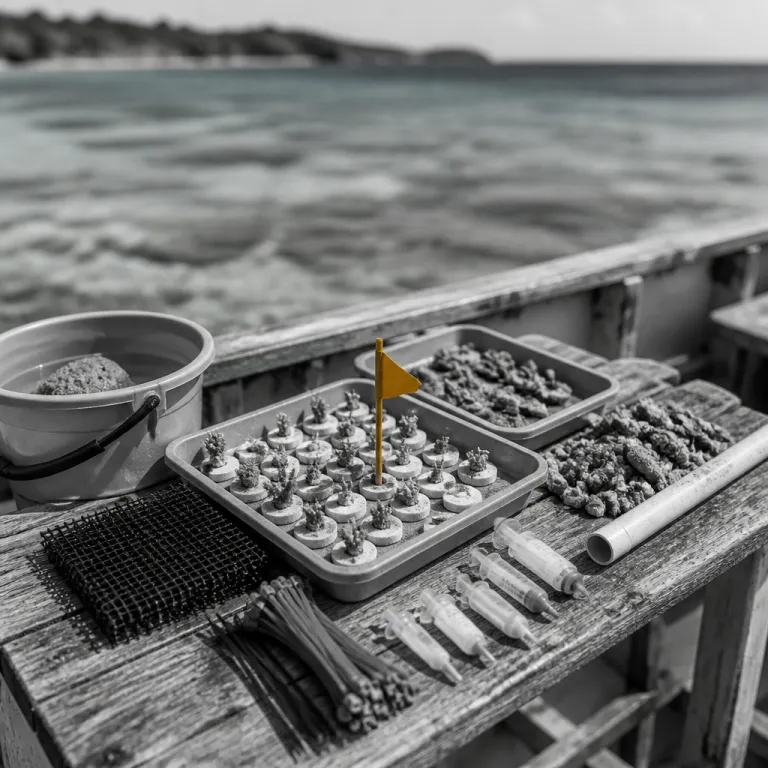
A typical coral planting dive Curaçao experience runs as a half day programme, and the rhythm is carefully designed for guests who want both learning and fun. You start on shore with a concise briefing where Reef Renewal Curaçao staff or a partner instructor explain why coral reefs around the island have declined and how a coral nursery works as a living marine laboratory. This is where you see coral fragments of different coral species on diagrams, understand the role of branch coral in reef restoration and hear how more than fifteen thousand corals have already been outplanted on the surrounding reef.
Once the theory is clear, the focus shifts to the water and to your own curacao diving skills. Certified guests gear up with standard scuba diving equipment provided by operators such as Ocean Encounters, while divers snorkelers with only basic experience may join a shallower session around the coral nurseries. The first dive usually takes you to a coral nursery structure suspended in the open water column, where you clean algae from coral fragments, check for signs of marine life stress and help maintain the underwater foundation that supports future coral reefs.
The second part of the dive curacao programme is where the emotional impact lands, because you move from the nursery to the natural reef. Under the guidance of a coral foundation instructor, you help attach small coral fragments to the existing coral reef using simple planting tools, working slowly to avoid disturbing nearby marine life such as sea turtles and reef fish. For many couples, this is the moment when a standard curacao dive turns into a shared story, as you watch your own section of reef restoration take shape and know that future fun dive groups will swim past the coral you planted together.
For first time premium divers weighing options, it helps to compare this with a regular guided dive. A standard fun dive on Curaçao might focus purely on marine life sightings and relaxed reef cruising, while a coral planting dive Curaçao experience layers in structured conservation tasks and a clear narrative about coral conservation. If you want more detail on how high end operators design these days, the guide on what first time premium divers actually book and skip in Curaçao breaks down how restoration dives fit into a broader diving itinerary.
How luxury hotels integrate coral restoration into your stay
On Curaçao, the coral planting dive Curaçao experience is not sold as a generic excursion ; it is curated differently by each luxury hotel partner. At LionsDive Beach Resort, Ocean Encounters operates as the on site dive shop, so guests can step from their room to the boat and join a scheduled coral restoration morning without arranging external transfers. Avila Beach Hotel and Baoase Luxury Resort, by contrast, tend to frame coral nursery visits as part of a wider private itinerary that might also include elegant dining, spa time and a sunset cruise along the island’s south coast.
Reef Renewal Curaçao works behind the scenes as the non profit coral foundation that standardises training, tracks coral nurseries and ensures that every coral reef site used for guest activities meets strict conservation criteria. For you as guests, that means the coral fragments you handle and the branch coral you help plant are part of a scientifically monitored reef restoration strategy rather than a one off feel good activity. Some properties now include a coral planting dive Curaçao experience within multi day curacao diving packages, while others offer it as a stand alone upgrade for couples celebrating an anniversary or a milestone trip.
The upcoming TUI BLUE resort, planned with a formal partnership with Reef Renewal and Ocean Encounters as its on site PADI 5 Star dive shop, signals where the island is heading. Guests booking there after the opening can expect coral conservation to be embedded in the weekly activity schedule, from introductory talks about marine life to regular fun dive slots dedicated to coral nurseries. If you prefer to pair your conservation day with refined cuisine, consider planning a reef focused morning followed by a long lunch at one of the restaurants featured in this guide to elegant dining in Curaçao for refined island stays, which helps you match top tables with nearby dive curacao sites.
For a broader view of how premium hotels on the island now curate adventure and excursions, including coral restoration and other marine experiences, the editorial overview on tailored adventures and excursions for discerning travelers in Curaçao is a useful companion read. It shows how reef restoration sits alongside hiking, sailing and cultural tours in the new definition of luxury travel on this Caribbean island. When you compare properties, pay attention to how often they mention coral reefs, marine conservation and direct links to a recognised foundation, because those details reveal how seriously they take the ocean that surrounds them.
Practical details: cost, skills and what couples actually do underwater
From a practical standpoint, a coral planting dive Curaçao experience is designed for certified divers who want to add meaning without sacrificing comfort. You must hold at least an entry level open water certification, and operators will ask to see your card at check in before you join any curacao dive focused on coral conservation. Non divers can sometimes join as snorkelers around shallow coral nurseries, but the hands on planting of coral fragments on the deeper coral reef is reserved for those with scuba diving training.
Expect the full programme to last around half a day, including the briefing, boat ride, two water sessions and surface intervals. Group sizes are usually kept small, often between four and eight guests per instructor, to protect the reef and ensure each pair has time to work carefully with branch coral and other coral species. The cost per person varies by hotel and operator, but you can anticipate a modest premium over a standard fun dive, reflecting the extra guidance, conservation donation to the coral foundation and the use of specialised tools at the coral nursery.
In the water, tasks are simple but absorbing, which is why many couples describe the day as both fun and quietly intense. You might spend ten minutes brushing algae from coral nurseries, another segment checking for signs of marine life grazing on coral fragments and then a focused period attaching new corals to the reef with biodegradable ties. Throughout the dives, instructors point out how your section of reef restoration fits into a larger mosaic of coral reefs around Curaçao, so you leave with a mental map of the island’s underwater community rather than just a list of Caribbean fish names.
Logistics are straightforward if you plan ahead. You should book in advance through your hotel or directly with partners such as Ocean Encounters, bring your certification card and use reef safe sunscreen to protect both your skin and the surrounding ocean. Age restrictions typically mirror standard curacao diving policies, with most operators welcoming teenagers who meet minimum training requirements, and many couples choose to align their coral planting dive Curaçao experience with a special date in june or another meaningful month so that the certificate and follow up photos from Reef Renewal Curaçao become part of their shared travel story.
The emotional afterglow: how reef restoration reshapes your Curaçao narrative
What lingers after a coral planting dive Curaçao experience is rarely just the memory of depth or visibility. Couples talk about the quiet moment on the boat when they look back at the coastline of Curaçao and realise that their travel choices now intersect with the long term life of the ocean. The island’s coral reefs stop being a backdrop for Caribbean holidays and become a living community you have literally touched, from the delicate texture of branch coral to the sudden shadow of sea turtles gliding past your work site.
Reef Renewal Curaçao reinforces that connection by sending participants certificates and, when possible, later images of the coral fragments they helped plant as they grow into part of the wider coral reef. That follow up transforms a single curacao dive into an ongoing relationship with the island’s marine life, especially for guests who return and ask to visit the same coral nursery or reef restoration site. For many couples, this becomes a ritual, with each trip adding another layer to their shared conservation narrative and another entry in the informal logbook of their life together.
The broader context matters here too, because Curaçao’s Destination Carrying Capacity Study signals that the island is actively managing growth rather than reacting to overtourism. Coral conservation is not treated as a side project but as a core strategy for sustaining both marine ecosystems and high value tourism, which is why luxury hotels now highlight their links to a recognised foundation in their marketing. When you read property descriptions on a curated platform, look for clear references to coral restoration, coral nurseries and structured diving programmes, because those are the markers of a stay that aligns indulgence with responsibility.
For couples used to measuring trips in spa hours and tasting menus, this shift can feel surprisingly natural. A morning spent maintaining coral nurseries and helping with reef restoration sits comfortably alongside an afternoon by the pool or a long dinner in town, especially when the hotel team treats conservation as part of the same seamless service culture. In that sense, the coral planting dive Curaçao experience is not just another excursion ; it is the moment when your idea of luxury on this island expands to include the quiet satisfaction of leaving the ocean very slightly better than you found it.
Frequently asked questions about coral planting dives in Curaçao
Do I need to be a certified diver to join a coral planting dive ?
Yes, certification is required, because you will be working around delicate coral reefs and need solid open water skills to move safely. Operators typically accept any recognised entry level scuba diving certification, and they will check your card before confirming your place. Some programmes allow confident snorkelers to observe coral nurseries from the surface, but the hands on planting of coral fragments on the reef is reserved for certified guests.
How long does a coral planting dive Curaçao experience usually last ?
The standard format runs for approximately half a day from arrival to debrief. You will spend part of that time in a classroom style briefing about coral conservation and reef restoration, then complete one or two dives focused on coral nursery maintenance and planting. Couples often plan a relaxed afternoon afterwards, as the combination of learning, diving and emotional impact can feel more intense than a regular fun dive.
Can beginners or newly certified divers participate safely ?
Yes, with basic certification, because the tasks at the coral nursery and on the reef are simple and closely supervised. Instructors from partners such as Ocean Encounters keep group sizes small and choose sites with conditions suitable for less experienced guests. If you are newly certified, mention this when you book so the team can match you with an appropriate depth profile and pace.
What should I bring and how should I prepare for the day ?
You should book in advance, bring your certification card and arrive well rested, as concentration matters when working around fragile coral species. Most operators provide full scuba gear, but you are welcome to use your own mask, fins and computer if you prefer. Reef safe sunscreen, a reusable water bottle and a willingness to follow conservation guidelines are the main extras that help protect both you and the surrounding marine life.
How does a coral planting dive differ from a regular guided dive in Curaçao ?
A regular guided curacao dive focuses on sightseeing, while a coral planting dive Curaçao experience adds structured conservation tasks and a clear educational component. You will still enjoy encounters with sea turtles and other marine life, but part of your time is dedicated to cleaning coral nurseries, handling coral fragments and helping attach new corals to the reef. Many couples find that this blend of fun and purpose deepens their connection to the island and makes the story of their trip more memorable.