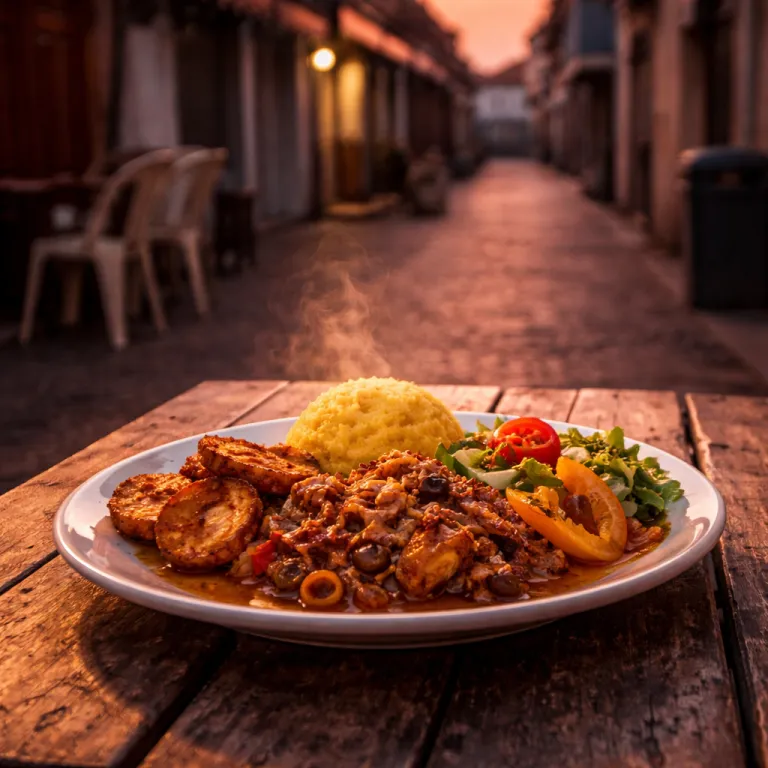
The Plasa Bieu reality: why lunch matters for your night in Punda
Plasa Bieu in Punda is the Old Market hall where Willemstad’s office workers line up for heavy plates of traditional dishes at midday. On most weekdays, stalls begin serving around 11:00 a.m. and wind down between 2:30 and 3:00 p.m., with the doors usually shut by late afternoon. If you are planning a refined evening at one of the luxury hotels in Willemstad Curaçao, understanding these typical Plasa Bieu hours shapes how you eat in Punda after dark.
The practical answer to the most common question is clear and worth stating once, precisely: “Is Plasa Bieu open in the evening?” No. It is a daytime market that operates only around standard lunch hours, and vendors rarely reopen for dinner. That means any guide promising Old Market stalls for a night meal is either out of date or careless with details. Serious travelers who care about authentic local cuisine use Plasa Bieu for lunch, then treat the streets behind it as their evening playground for food and Caribbean flavors.
Think of Plasa Bieu as your daytime briefing on the flavors of Curaçao, not your night out. Order goat stew, fresh fish and funchi at lunch to calibrate your palate to truly authentic local cuisine. Later, when you walk back from your premium hotel along Ruyterkade Willemstad, you will recognise the same tastes in smaller restaurants and street grills that quietly carry the Old Market spirit into the evening.
From market hall to waterfront lights: setting up your Punda evening
Once the last pots are scrubbed at Plasa Bieu, Punda changes tempo and the waterfront along Handelskade glows against the dark harbor. This is when solo travelers based in luxury properties across Willemstad Curaçao can slip into the neighborhood without a reservation and still eat very good food. The key is to treat the Old Market cluster as your landmark, then work outward in short, confident walks.
Start by timing your visit so you finish a late Plasa Bieu lunch just before closing, then wander towards the Queen Emma Bridge as cruise passengers drift back to their ships. You will feel the atmosphere soften as the day crowd thins, and the island’s capital begins to belong again to people who actually live in Willemstad. If you are planning your wider itinerary of unforgettable experiences and the best things to do in Curaçao, this early evening window in Punda deserves a fixed place on your schedule.
From the bridge, look back towards Ruyterkade Willemstad and the low roofs that hide the Old Market from the water. Behind those roofs, two compact streets—such as Madurostraat and the lanes around Sha Caprileskade—hold a concentration of local restaurants, snack bars and grills that quietly extend the Plasa Bieu food story into the night. They are not polished, but they are where you taste Caribbean flavors that feel both familiar from lunch and newly charged by the evening air.
The streets behind Plasa Bieu: where the neighborhood starts to eat
Walk one block inland from Plasa Bieu and you step into the real Punda, a grid of narrow streets where the menus are written for locals first. Here, small family restaurants and snack shacks serve plates of local food that mirror the Old Market’s traditional dishes but with a slower, more conversational atmosphere. You might see a chalkboard listing kabritu stoba, fresh catch of the day with funchi, or a simple grilled chicken plate that still carries the same flavors Curaçao is known for at lunchtime.
These are not formal tourist restaurants in the brochure sense, yet they are where the market’s cooks themselves might eat after a long shift. Ask your bartender or your hotel concierge to mark two or three streets behind Plasa Bieu where they personally go for authentic local cuisine. As one Punda bartender put it, “If you want real kabritu stoba in Punda after work, you go behind the market, not to the waterfront.” The advice is usually practical rather than poetic: walk two minutes inland from Ruyterkade Willemstad, follow the smell of good food, and choose the place where the tables are filled with Willemstad residents still in work clothes.
Menus are short, but that works in your favor when you are eating solo and want a focused experience of local cuisine. Order whatever fresh fish is left, ask for funchi on the side, and if you see kadushi cactus soup on the menu, treat it as a rare island specialty worth your time. This is where the Caribbean flavors of Curaçao feel most direct, and where the line between local and visitor blurs over shared plates and cold beers.
What to actually order: from kabritu stoba to kadushi cactus
For a traveler staying in a luxury hotel, the point of venturing into Punda after dark is to eat dishes that no room service menu will ever attempt. Start with kabritu stoba, the slow cooked goat stew that anchors so much local cuisine in Willemstad Curaçao. When it is done well, the meat falls from the bone into a rich gravy that tastes of thyme, tomato and the deep Caribbean flavors of long simmered stock.
Pair that with funchi, the firm cornmeal side that arrives sliced rather than spooned, and you have the classic Plasa Bieu plate translated into an evening setting. Many small restaurants behind the market will also offer fresh fish, often grilled whole and served with lime, pickled onions and a simple salad. Ask which fish came in that afternoon, because the best experience comes from choosing whatever the island’s fishermen brought to the waterfront before sunset.
If you are lucky, the menu will include kadushi cactus soup, a gelatinous, herbal dish that divides opinion but defines authentic local food for many Curaçaoans. Order a small portion, treat it as a tasting course, and let the texture and flavors Curaçao offers here challenge your expectations of Caribbean cuisine. These plates are not refined in a fine dining sense, yet they deliver the kind of good food memory that stays with you longer than any tasting menu in the more formal districts.
Punda versus Pietermaai: where luxury travelers should sit tonight
Most high end visitors to Willemstad default to Pietermaai for dinner, drawn by its polished restaurants and easy reservation culture. That neighborhood absolutely earns its reputation, and a solo seat at the bar in one of its better known dining rooms remains one of the most reliable walk in options for refined cuisine. Yet if you always eat there, you miss the way Punda’s waterfront and the streets behind Plasa Bieu come alive with a quieter, more authentic local atmosphere after dark.
From a luxury traveler’s perspective, the choice is not either Punda or Pietermaai, but how to balance them across your stay. One night, you might book a formal dinner in Pietermaai, then walk back along the harbor and stop in Punda for a late plate of local food and a final drink with a view of the floodlit Handelskade. Another evening, you could start in Punda with traditional dishes behind Plasa Bieu, then drift towards Pietermaai for a nightcap in a wine bar that understands both European technique and Caribbean flavors.
This is also where broader island context matters for planning. Many newer luxury properties sit within a short taxi ride of Punda and Pietermaai, making spontaneous evening visits easy. Use that proximity to your advantage, and let the Old Market area anchor at least one night where the dress code is relaxed, the food is deeply local, and the bill feels modest compared with your hotel bar.
The late shift: where bartenders eat and how to end the night well
By late evening, the question in any city is the same: where do the people who work in hospitality actually eat. In Willemstad Curaçao, the answer often circles back to the streets behind Plasa Bieu and a handful of low key restaurants that keep serving local food long after the last cruise passenger has left Punda. These places are not always on maps, but they are known to bartenders, dive masters and hotel staff who finish late and still want good food rather than a snack from a petrol station.
When you sit at the bar in Pietermaai or in a hotel lounge earlier in the evening, ask your server where they go for a plate of authentic local cuisine after their shift. The directions are usually simple: walk past Plasa Bieu, turn into the second or third side street, and look for the spot where the kitchen light is still on and the menu still lists fresh dishes. You might find grilled chicken, leftover goat stew, or a pan of fish in tomato sauce that tastes of pure flavors Curaçao, served with funchi or rice and beans.
For a solo traveler, this late night walk is both safe and rewarding if you stay in well lit areas and trust your instincts. You end the evening not in a polished dining room, but in a room where the atmosphere is shaped by island workers unwinding over Caribbean flavors that feel like home. It is a fitting counterpoint to days spent exploring curated experiences, such as visiting west coast beaches or navigating temporary closures around Playa Lagun during resort construction, and it grounds your luxury stay in the everyday rhythm of Willemstad.
How Punda nights fit into a luxury Curaçao stay
For guests booking premium hotels through platforms focused on Curaçao, the temptation is to let on site restaurants handle every meal. That approach is comfortable, but it leaves the story of Plasa Bieu and the streets behind it untold, and that story is where much of the island’s culinary identity lives. A considered itinerary builds in at least one Old Market lunch and two Punda evenings, each with a different balance of traditional dishes and waterfront atmosphere.
On your first full day, eat at Plasa Bieu for lunch to understand the foundations of local cuisine, then return after dark to the same area for a simpler plate in a side street restaurant. Another night, book a more polished dinner in Pietermaai, then walk back through Punda for a late drink and a small serving of authentic local food, perhaps a shared plate of funchi fries or a bowl of soup. Across these evenings, you will taste how flavors Curaçao shift from the heat of midday to the softer air of night, and how the same ingredients express differently in market halls and family run restaurants.
For luxury travelers, this pattern also offers a subtle form of value. Dinner in Punda’s local restaurants typically costs noticeably less than what you might spend in a hotel dining room, yet the experience often feels richer in memory. You return to your room not just well fed, but with a clearer sense of the island as a living place, where Caribbean flavors, local food culture and the working rhythm of Willemstad intersect in and around Plasa Bieu.
Key figures for eating in Punda and around Plasa Bieu
- Punda packs a dense mix of restaurants, snack bars and cafés within a short walk of Plasa Bieu, giving solo travelers many options without needing a car. Exact counts change as businesses open and close, so treat any specific number as approximate rather than fixed.
- Typical dinner prices in central Willemstad range from modest local plates to higher end menus, and many travelers report that eating in Punda’s casual restaurants often costs less than dining in comparable luxury hotel venues.
- Plasa Bieu is widely described as a lunch only market hall, so plan to eat there around midday and shift your evening dining to the surrounding streets and waterfront. Always confirm current hours locally, as opening times can change.
- Walking distances in central Willemstad are compact, with most Punda and Pietermaai restaurants located within roughly a kilometre of many city hotels, making spontaneous, reservation free evenings realistic for most visitors.
FAQ about eating Punda after dark and Plasa Bieu
Is Plasa Bieu open for dinner in the evening?
No, Plasa Bieu is a daytime market hall and generally closes in the afternoon, so all meals there are lunch only. For dinner, you should look to the streets behind the market and the wider Punda area, where many local restaurants open in the evening.
Is it safe to walk around Punda at night for dinner?
Punda is generally considered safe for walking at night, especially along main streets and the waterfront, but you should stay in well lit areas and use normal city awareness. Many luxury hotel guests comfortably walk between Punda and Pietermaai for evening meals, and asking staff for up to date Punda evening safety advice is always sensible.
Are there vegetarian options near Plasa Bieu and in Punda?
Several restaurants in Punda offer vegetarian dishes, though traditional Old Market style cuisine leans heavily towards meat and fish. Look for places that list vegetable stews, salads and side dishes like funchi or rice and beans, and do not hesitate to ask if a plate can be prepared without meat.
Do I need a reservation to eat in Punda after dark?
Most small local restaurants behind Plasa Bieu do not take reservations and operate on a walk in basis, which suits solo travelers well. For more formal dining rooms, especially in nearby Pietermaai, a reservation is wise during busy periods, but bar seating often remains available for walk ins.
How should I pay at Plasa Bieu and nearby restaurants?
Carrying some cash in local currency is useful for smaller vendors and simple eateries near Plasa Bieu, although many established restaurants in Punda also accept cards. Mobile payment options are growing, but you should not rely on them as your only method of payment.