From imported menus to Curaçao local cuisine luxury hotel dining
For years, many luxury hotels in Curaçao leaned on safe international restaurant classics. Today a new wave of Curaçao properties is quietly centering local food and turning every dinner into a deeper island dining experience. This shift matters for couples planning travel because it changes where you stay, how you eat and how you remember the island.
Resort chefs once focused on continental dishes that felt familiar to guests. Now they collaborate with local cooks and culinary schools as cultural ambassadors, using traditional cooking techniques and modern presentation to bring local dishes like keshi yena and red snapper stoba into fine dining rooms. The result is Curaçao local cuisine in luxury hotels that feels both polished and rooted in the island’s history.
Industry observers and local hoteliers note that a growing share of upscale restaurants in inclusive resorts now feature at least one traditional dish on their menus. Several hotel groups also report through internal guest feedback that satisfaction with food and service rises when local dishes and local food stories are highlighted during breakfast, lunch and dinner services. For couples choosing where to stay, this means the best restaurants inside resorts can now rival independent restaurants in Willemstad Curaçao for delicious food and authentic atmosphere.
Why couples should care about this culinary evolution
When you book a premium room, you are also booking a dining experience. On Curaçao, that now means tasting local dishes that once required a taxi into town, from slow cooked goat stoba to grilled red snapper with funchi. For many travelers, the ability to enjoy good local food without leaving the property turns a standard stay into a great island experience.
This evolution also changes how you plan your evenings on the beach or in Willemstad. Instead of defaulting to international restaurants Curaçao wide, you can alternate between a resort bar with a serious wine cellar and a night at one of the best restaurants in town. Curaçao’s focus on local cuisine in luxury hotel dining becomes part of a wider itinerary that might include Plasa Bieu at lunch, Fort Nassau for a sunset view and a late blue Curaçao cocktail back at your hotel.
For couples who value both comfort and culture, this balance is powerful. You still enjoy polished service, air conditioned dining rooms and inclusive resorts convenience, yet the food on your plate reflects the island rather than a generic Caribbean template. That is the promise of the new generation of restaurants Curaçao offers inside its luxury hotels.
Keshi yena, stoba and funchi on resort menus
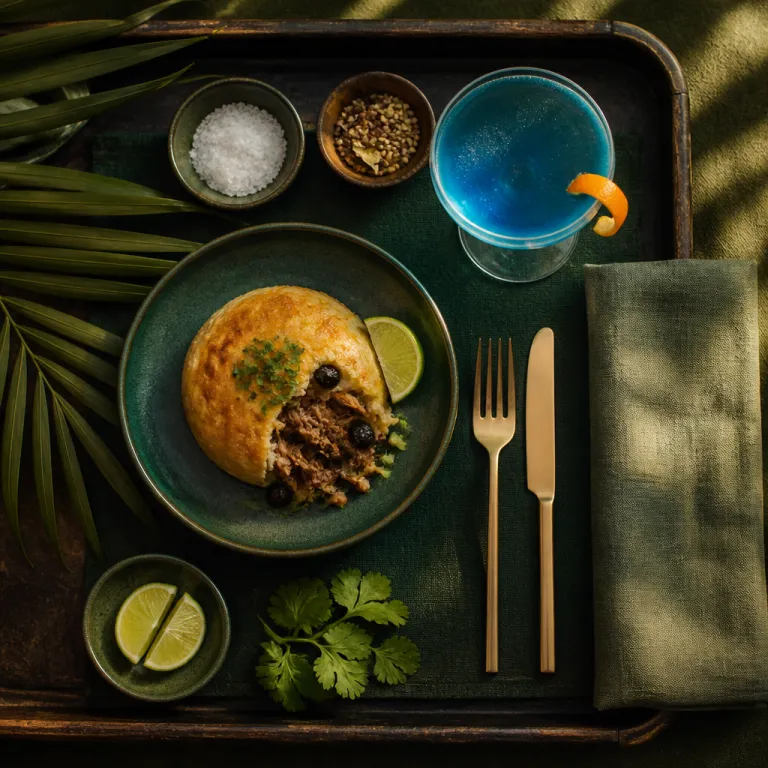
Keshi yena has become the emblem of Curaçao local cuisine luxury hotel dining. This traditional dish of cheese stuffed with spiced meat now appears in both casual beach restaurants and white tablecloth fine dining rooms. “What is Keshi Yena?” and “What is Blue Curaçao?” are questions hotel concierges hear daily, and the answers increasingly come with a tasting plate rather than just a description.
At several inclusive resorts near Willemstad Curaçao, chefs present keshi yena as a refined starter, pairing the molten cheese and savory filling with local food sides like pickled papaya or funchi fries. At one waterfront property, for example, the executive chef credits his grandmother’s recipe for a version baked in individual cast iron pots with Gouda, spiced chicken, olives and raisins. The same kitchens might offer hearty beef or goat stoba as a slow cooked main course, served with funchi and fried plantain for a complete dining experience. These dishes turn dinner into a narrative about the island’s Afro Caribbean and Dutch influences, rather than just another international buffet.
Couples who want the best of both worlds can often choose between tasting menus and à la carte options. One night you might order grilled red snapper with a citrus butter that nods to the Laraha fruit behind blue Curaçao, while the next evening you share a modern take on keshi yena with a glass from the hotel wine cellar. Across these meals, the focus stays on delicious food that feels unmistakably local, supported by attentive service and a relaxed beach atmosphere.
Where to try iconic local dishes in and beyond hotels
Some of the best restaurants for local dishes still sit outside resort gates. Plasa Bieu in central Willemstad is the classic lunch stop, where open air food stalls serve generous plates of stewed meats, funchi and fresh fish to both locals and visitors. Many luxury hotel chefs eat there on their days off, then translate those flavors into more polished versions for their own restaurants Curaçao side.
Historic spots like Gouverneur De Rouville, Landhuis Daniel and Kura Hulanda’s dining rooms have long championed local food, from red snapper to goat stoba and rich keshi yena. Today, newer hotel restaurants study these pioneers while refining plating, wine pairings and service standards to meet fine dining expectations. Couples can start with a rustic lunch at Plasa Bieu, then book dinner at a resort restaurant that reimagines the same dishes with candlelight and a curated wine cellar.
This layering of experiences is what now defines Curaçao local cuisine luxury hotel dining. You taste the island in its most traditional form at midday, then return to your inclusive resorts base for a more intimate dinner that still honors those roots. Over several days, breakfast buffets, lunch pairings and late night bar snacks all become part of a coherent culinary journey.
Curaçao Marriott and the new language of resort restaurants
The Curaçao Marriott Beach Resort illustrates how seriously major properties now take food. Its revamped restaurant lineup shows what Curaçao local cuisine luxury hotel dining can look like when a global brand listens closely to the island. For couples, this means you can stay oceanfront and still feel connected to Willemstad’s evolving restaurant culture.
JFK Steakhouse, billed as the island’s first American style steakhouse, anchors the property with prime cuts and a polished wine cellar. Yet even here, local dishes and local food accents appear, from sides inspired by funchi to sauces that reference the citrus notes behind blue Curaçao. Salty Iguana Ocean Grill and Salty at the Beach lean into grilled seafood, where red snapper and other island fish share space with Mediterranean flavors and a relaxed beach view.
Across these venues, the resort uses both traditional cooking techniques and modern presentation to elevate familiar dishes. Guests might start the day with breakfast options that include johnnycakes and tropical fruit, then move to a lunch sequence of grilled red snapper followed by a light ice cream dessert. By night, the bar team shakes blue Curaçao cocktails made with genuine Senior & Co. liqueur, a detail that matters for travelers who care about authenticity.
How local markets and street food shape resort menus
Resort chefs do not create in a vacuum; they walk the markets. Plasa Bieu, the floating market and the street food stalls of Punda and Otrobanda give them a living reference for good, honest local food. Those flavors then filter back into tasting menus, bar snacks and even poolside ice cream carts.
When a chef tastes a perfectly seasoned stoba at Plasa Bieu or a grilled red snapper from a beach shack, it often sparks a new dish for the hotel restaurant. You might see a refined keshi yena appetizer that borrows its seasoning from a market stall, or a dessert that pairs artisan ice cream with a drizzle of blue Curaçao reduction. Over time, this feedback loop helps inclusive resorts keep their dining experience aligned with what locals actually eat, rather than a generic idea of Caribbean food.
For couples comparing properties on mycuracaostay.com, this attention to local dishes can be a useful filter. A hotel that talks openly about its relationships with markets, farmers and restaurants Curaçao wide is more likely to deliver consistently delicious food. It is also more likely to offer the kind of great service and thoughtful wine cellar curation that turns a simple dinner into a memorable night.
Blue Curaçao, serious bars and sunset views
Blue Curaçao is more than a colorful cocktail ingredient on this island. The genuine liqueur, made by Senior & Co. from the dried peel of the local Laraha citrus, has become a quiet marker of quality in hotel bars. Couples who care about craft drinks should ask directly which product the bar uses before ordering that first sunset cocktail.
At the best restaurants inside luxury hotels, bar teams now treat blue Curaçao with the same respect as fine rum or aged tequila. They build drinks that balance sweetness with citrus bitterness, often pairing them with small plates of local dishes like keshi yena croquettes or red snapper ceviche. This approach turns a pre dinner drink into part of the wider dining experience, rather than a sugary afterthought.
Properties with serious bar programs often back them up with a well curated wine cellar and thoughtful food pairings. You might start with a blue Curaçao spritz on a terrace with a panoramic view of Willemstad Curaçao, then move inside for fine dining that highlights local food and international techniques. Later, a final glass of dessert wine or a scoop of artisan ice cream enjoyed under the stars by the beach can close the evening gracefully.
Where the view matters as much as the glass
Some addresses have become almost shorthand for a great view and good drinks. Fort Nassau, perched above Willemstad, offers one of the island’s most dramatic panoramas, especially at night when the Queen Emma Bridge lights up. While its menu leans international, the bar increasingly plays with blue Curaçao and local ingredients to anchor guests in the island.
In Otrobanda, Gouverneur De Rouville pairs a front row view of the Handelskade with a menu that respects both local dishes and European classics. Couples can sip blue Curaçao cocktails on the terrace before heading back to their inclusive resorts for a quieter, more intimate dinner. This rhythm between city restaurants Curaçao side and resort dining rooms is part of what makes Curaçao local cuisine luxury hotel dining feel so layered.
Even smaller hotel bars now understand that a good drink program can differentiate them in a crowded market. When you see a menu that lists both classic cocktails and signatures built around blue Curaçao, local fruit and island spices, it signals a property that takes its food and beverage seriously. That attention usually extends to breakfast buffets, lunch pacing and the overall level of service you will experience throughout your stay.
Planning a food led stay in Curaçao
For couples using a luxury hotel booking website to plan travel, food should sit alongside room category and beach access in your decision making. Start by checking how prominently each property features local dishes and local food in its restaurant descriptions. Curaçao local cuisine luxury hotel dining is no longer a niche; it is a marker of overall quality.
Look for hotels that mention partnerships with local chefs, culinary schools or markets, because these relationships usually translate into more authentic dishes. When a property highlights specialties like keshi yena, red snapper, stoba or funchi, you can expect more than token island dishes on a mostly international menu. Pay attention to whether the hotel offers themed nights, chef’s tables or tasting menus that showcase restaurants Curaçao wide through guest chef collaborations.
It is also worth studying how a resort structures its meals across the day. Strong breakfast offerings might include local pastries, tropical fruit and made to order eggs alongside international standards, while lunch and dinner services could rotate between beach grills and fine dining rooms. A thoughtful bar program with blue Curaçao cocktails, a solid wine cellar and perhaps even a small ice cream cart by the pool signals a property that understands the full dining experience.
Building an itinerary around both hotels and independent restaurants
The most rewarding stays usually blend resort comfort with forays into Willemstad and the countryside. You might book three nights at an inclusive resorts property with strong Curaçao local cuisine luxury hotel dining, then schedule dinners at Gouverneur De Rouville, Landhuis Daniel and a sunset table at Fort Nassau. Along the way, lunch at Plasa Bieu and a stroll through Kura Hulanda’s historic streets will deepen your sense of the island.
When comparing options, remember that Curaçao is compact enough to make restaurant hopping easy. A taxi from a west coast beach resort to central Willemstad rarely takes more than an hour, so you can enjoy both remote snorkel spots and the best restaurants in town during a single trip. This flexibility lets you prioritize both delicious food and the kind of quiet, romantic settings many couples seek.
Ultimately, the goal is to align your hotel choice with the way you like to eat. If you value variety, choose a property with multiple restaurants, a serious bar and clear references to local dishes on every menu. If you prefer intimacy, a smaller Curaçao hotel with one excellent restaurant and strong ties to restaurants Curaçao wide might suit you better, especially when supported by honest reviews and curated recommendations from platforms like mycuracaostay.com.
FAQ about Curaçao local cuisine luxury hotel dining
What is Keshi Yena and where can I try it in hotels ?
Keshi yena is a traditional Curaçao dish of cheese stuffed with spiced meat, often chicken or beef, then baked until the cheese melts around the filling. Many luxury hotels now serve keshi yena as either a refined starter or a main course, sometimes deconstructed for fine dining menus. Look for it at resort restaurants that highlight local dishes, and ask whether the recipe comes from a local chef or family tradition.
Do luxury hotels in Curaçao use real blue Curaçao liqueur ?
Some high end hotel bars use genuine blue Curaçao made by Senior & Co. from the Laraha citrus, while others rely on cheaper synthetic substitutes. If authenticity matters to you, ask the bartender which brand they pour before ordering cocktails built around the liqueur. Properties that emphasize craft drinks, a strong wine cellar and serious bar programs are more likely to stock the original product.
Are local dishes available in all inclusive resorts ?
Many inclusive resorts in Curaçao now feature local food alongside international options at breakfast, lunch and evening buffets. You can often find red snapper, stoba, funchi and sometimes keshi yena on themed nights or at live cooking stations. When booking, check whether the resort mentions Curaçao local cuisine luxury hotel dining or partnerships with local chefs, as this usually indicates a stronger commitment to island dishes.
How can I combine hotel dining with independent restaurants in Willemstad ?
The island’s compact size makes it easy to dine both in your hotel and in central Willemstad Curaçao. Many couples enjoy breakfast and some dinners at their resort, then take taxis to places like Plasa Bieu, Gouverneur De Rouville, Landhuis Daniel or Fort Nassau for variety and city views. When planning, allow at least two evenings for independent restaurants Curaçao side to complement your hotel’s dining experience.
Is Curaçao a good destination for couples who care about food ?
Curaçao has become an excellent choice for couples who prioritize delicious food, from casual beach grills to fine dining rooms with panoramic view settings. The growing presence of local dishes in luxury hotels, combined with a diverse restaurant scene in Willemstad and beyond, creates a rich culinary landscape. If you value both great service and authentic flavors, the island now offers a compelling mix of resort comfort and genuine local cuisine.