Understanding where Curaçao island is and why its location matters
To understand where Curaçao island is, start with a map of the southern Caribbean. Curaçao is an island lying just north of the coast of South America, positioned about 60 kilometres off Venezuela’s north side in a calm stretch of sea. This southern setting in the wider Caribbean places the island curacao comfortably outside the main hurricane belt, which is a decisive advantage for luxury travellers.
Curaçao forms part of the Kingdom Netherlands as an autonomous country kingdom, which means it has its own government yet shares defense and foreign affairs with the Netherlands. This status links the island to European standards of infrastructure, hospitality, and regulation, while the dutch cultural influence blends with Caribbean and latin roots. When guests ask where is curacao island in relation to Europe, it is helpful to explain that direct flights connect the dutch Caribbean to Amsterdam through the island’s international airport.
The capital Willemstad sits on the south side of the coastline and serves as the main urban hub for premium hotels and refined dining. Officially, capital Willemstad is part of the wider Willemstad Curacao metropolitan area, where colourful waterfront buildings reflect the island’s dutch heritage. The city’s historic fort complexes and harbour, including a prominent fort guarding the entrance, create a distinctive backdrop for high end stays.
Geographically, Curaçao belongs to the abc islands group alongside Aruba and Bonaire, often mentioned together as Aruba Bonaire and Curaçao. These islands form the western arc of the former Netherlands Antilles, now separate entities within the broader country kingdom framework. When travellers compare Aruba Curacao and Bonaire, they often note that island Curacao offers a more urban atmosphere anchored by Willemstad Curacao and a diverse economy beyond tourism.
How Curaçao’s geography shapes its luxury and premium hotel landscape
Understanding where Curaçao island is also means understanding how its coastline shapes guest experiences. The south side of the island faces the tranquil Caribbean Sea, where sheltered coves and natural harbours host many of the finest beach resorts. This southern exposure, combined with the island’s position near South America, creates consistently warm water and gentle trade winds that appeal to discerning travellers.
Many luxury properties cluster near Willemstad Curacao, taking advantage of the capital Willemstad skyline and historic fort views. Guests can stay within walking distance of the old town, then retreat to quiet pools and private terraces overlooking the harbour and the wider dutch Caribbean. For travellers comparing islands in the region, this blend of urban culture and seaside calm sets island Curacao apart from Aruba and other nearby islands.
Further east, serene inlets such as Spaanse Water provide a more residential, low rise setting for premium stays. Those seeking refined Caribbean escapes often look for serene stays at Spaanse Wateren in Curaçao, where marinas, sailing clubs, and upscale villas line the shore. This part of the island curacao offers a quieter alternative to central Willemstad, yet remains close enough for guests to enjoy the city’s restaurants and cultural sites.
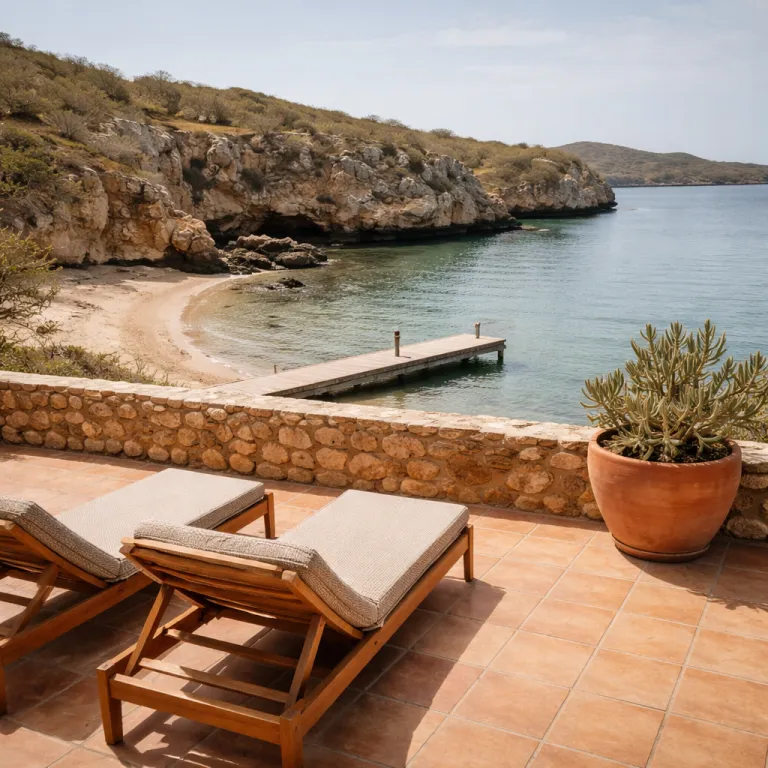
On the western tip of Curaçao island, smaller coves and rugged cliffs frame intimate beach settings. Here, premium hotels and villas often emphasise privacy, sunset views over the Caribbean, and direct access to snorkelling reefs. When travellers ask where is curacao island in relation to major cruise routes, it is useful to note that the island’s deep natural harbour allows ships to dock close to town, yet many high end properties remain tucked away from day visitor crowds.
The wider dutch Caribbean context and what it means for travellers
Placing Curaçao within the dutch Caribbean helps travellers compare destinations and plan multi island itineraries. Alongside Aruba and Sint Maarten, Curaçao forms one of the key islands within the Kingdom Netherlands, each with its own government and tourism profile. Historically, these islands were part of the Netherlands Antilles, and that shared past still shapes regional air links, trade, and cultural ties.
When guests research where is curacao island, they often encounter references to the abc islands. This trio of Aruba Bonaire and Curaçao lies off the coast of South America, with Aruba to the west, island Curacao in the middle, and Bonaire to the east. Together, the abc islands offer complementary experiences, from Aruba’s broad beach strips to Bonaire’s diving focus and Curaçao’s mix of city life and hidden coves.
The dutch influence dates back to the era of the West India Company, sometimes called the dutch West India trading empire. Curaçao’s natural harbour made it a strategic base for the West India fleets, and remnants of that era remain visible in the fort architecture and street grid of Willemstad Curacao. This maritime history still underpins parts of the modern economy, including logistics, oil services, and regional finance.
Today, the country kingdom structure gives Curaçao its own prime minister and local parliament, while remaining tied to the Netherlands for certain overarching matters. This arrangement supports a stable political environment, which is important for investors in luxury hotels and for travellers seeking reassurance about safety and standards. When comparing Aruba Curacao and Sint Maarten, many guests appreciate that each island’s government operates under the same constitutional umbrella, yet cultivates a distinct tourism identity.
Key locations on Curaçao island for luxury and premium stays
For travellers asking where is curacao island in relation to specific neighbourhoods, it helps to visualise the main zones along the south side. Starting near the international airport on the western approach, several upscale resorts line the coast between the runway and Willemstad Curacao. This area offers convenient transfers, sweeping Caribbean views, and quick access to both city attractions and quieter beach coves.
Within capital Willemstad, the historic districts around the harbour and fort complexes host elegant hotels in restored townhouses and waterfront buildings. Guests can step directly from their lobby into streets filled with dutch gabled facades, Caribbean colour palettes, and lively cafés. This central location suits travellers who value culture, dining, and nightlife as much as poolside relaxation on the island curacao.
Moving east along the south side, resort corridors unfold around popular beach areas, marinas, and golf courses. Many of the island’s most refined properties sit on private or semi private stretches of sand, often highlighted in guides to the best beach in Curaçao for luxury minded travellers. These locations balance seclusion with access to Willemstad Curacao, allowing guests to enjoy both the Caribbean sea and the city’s amenities.
Offshore, Klein Curacao is a small, uninhabited island south of the main coast, reached by day trips from various marinas. While there are no permanent hotels on Klein Curacao, its pristine beach and lighthouse ruins create a memorable excursion for guests staying in luxury properties on Curaçao island. Understanding where Klein Curacao lies in relation to the main island helps concierges plan timing, transfers, and private charters for high end clients.
Practical travel logistics and the role of Curaçao’s economy
When planning a stay, travellers often ask not only where is curacao island, but also how to reach it efficiently. Curaçao’s international airport sits on the northwestern part of the island, yet runways and terminals are oriented toward the south side where most tourism infrastructure lies. Direct flights connect the island to the Netherlands, North America, South America, and other Caribbean islands, supporting a steady flow of premium visitors.
The island’s economy extends beyond tourism, which contributes to a sense of stability valued by luxury hotel investors and guests. Historically linked to the oil industry and regional trade, the economy now includes financial services, logistics, and a growing creative sector in Willemstad Curacao. This diversified economy helps the government maintain infrastructure, cultural institutions, and public services that indirectly enhance the visitor experience.
As part of the Kingdom Netherlands, Curaçao’s government operates under a parliamentary system headed by a prime minister. This structure, shared in different forms with Aruba Curacao and Sint Maarten, supports transparent regulation and long term planning for tourism development. For travellers comparing islands, the presence of a familiar legal framework and close ties to the Netherlands can be reassuring.
Within the wider dutch Caribbean, air and sea links between Aruba Bonaire and Curaçao make multi stop itineraries straightforward. Guests can fly between the abc islands in under an hour, experiencing different beach styles, cultural atmospheres, and hotel offerings on each island. Understanding where these islands sit in relation to South America and the broader Caribbean helps travel planners craft seamless, high end journeys.
Cultural context, languages, and what to expect on arrival
Knowing where Curaçao island is geographically also invites curiosity about its cultural setting. The island curacao lies at a crossroads between the Caribbean, South America, and the historic trade routes of the West India Company. This position has produced a layered society where dutch, Spanish, English, and Papiamentu coexist in daily life.
In Willemstad Curacao, visitors will hear dutch used in government offices and formal settings, while Spanish is common in commerce due to proximity to South America. English is widely spoken in hotels, restaurants, and tour operations, making it easy for international guests to navigate the island. This multilingual environment reflects centuries of interaction among islands, continents, and trading powers in the wider Caribbean.
For luxury travellers, this cultural blend translates into a rich dining scene, varied music traditions, and a calendar of events that animate capital Willemstad throughout the year. Historic fort sites host performances and upscale venues, while waterfront promenades showcase both Caribbean and dutch influences. When guests ask where is curacao island in cultural terms, it is accurate to describe it as a meeting point of Europe, Africa, and the Americas.
“Curaçao is an island in the southern Caribbean Sea, about 37 miles north of Venezuela.” This precise citation helps situate the island for travellers who may be more familiar with Aruba Curacao or Sint Maarten. By understanding where the islands of the former Netherlands Antilles sit in relation to South America and the wider dutch Caribbean, guests can better appreciate how geography, history, and modern governance shape today’s luxury and premium hotel experiences.
Key statistics about Curaçao for informed travel planning
- Curaçao covers an area of approximately 444 km², giving the island a compact yet varied landscape for resort development.
- The population is estimated at around 156 700 people, concentrated mainly in and around Willemstad Curacao on the south side.
- Curaçao lies roughly 60 kilometres north of the Venezuelan coast, firmly placing the island in the southern Caribbean Sea.
- The coordinates of capital Willemstad are approximately 12.17° N latitude and 68.99° W longitude, which helps travellers pinpoint where is curacao island on detailed nautical or aviation charts.
Essential questions about where Curaçao island is and how to visit
Where is Curaçao located ?
Curaçao is located in the southern Caribbean Sea, just north of the coast of South America. The island sits about 60 kilometres off Venezuela’s north side, forming part of the abc islands with Aruba and Bonaire. This southern position gives Curaçao a relatively dry climate and places it outside the main hurricane belt.
What is the capital of Curaçao ?
The capital of Curaçao is Willemstad, a historic port city on the south side of the island. Capital Willemstad is known for its colourful waterfront, dutch colonial architecture, and a harbour protected by a strategic fort at the entrance. Many luxury and premium hotels cluster in and around Willemstad Curacao, making it a central hub for visitors.
Is Curaçao part of the Netherlands ?
Curaçao is an autonomous country within the Kingdom Netherlands, which means it has its own government and prime minister. Certain responsibilities, such as defense and foreign affairs, are shared with the Netherlands under the broader country kingdom framework. This constitutional arrangement places Curaçao alongside Aruba Curacao and Sint Maarten as distinct islands within the dutch Caribbean.