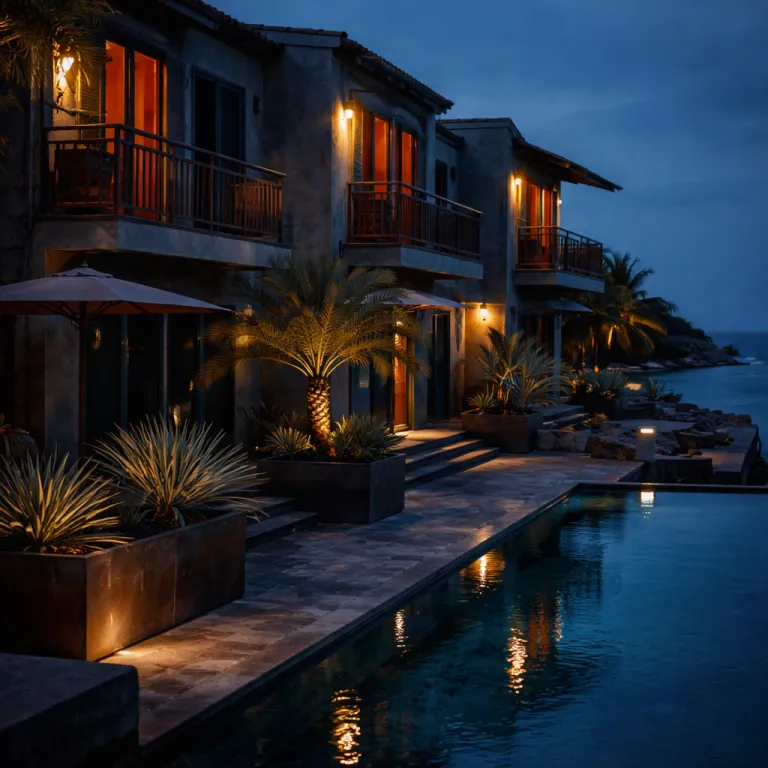
What “hotel Caribbean” really means for a luxury stay
Type “hotel Caribbean” into a search bar and you are not looking for a single address. You are searching for a whole way of travelling: warm water, slow evenings, and a hotel that feels like a private world on a tropical island. The question is not whether the Caribbean is a good choice, but which version of it you actually want.
Some travellers picture a large resort with a sweeping infinity pool, several restaurants, and a resort spa hidden in tropical gardens. Others imagine a smaller coastal hideaway with a handful of suites, a quiet beach, and a private pool attached to their room. Both exist across the region, from the white sand coves of Turks and Caicos to the rugged Atlantic side of the Dominican Republic, from the calm bays of Saint Lucia to the low-key charm of Eleuthera in the Bahamas.
Before you book, decide what matters most. Direct access to the beach or panoramic views from a cliff. A strong spa programme or exceptional dining options with serious wine lists. Easy transfers from a major airport or the feeling of being at the far end of the map. The best Caribbean hotels are not interchangeable; each island and each property offers a distinct rhythm of days and nights.
Choosing the right Caribbean island for your style of luxury
Island choice shapes everything, from the colour of the sand to the style of your hotel. On the quieter end, Eleuthera in the Bahamas or a tucked-away sandy cove in Anguilla suits travellers who want space, low-rise buildings, and long, empty beaches. Life here moves slowly; you come for barefoot walks at dawn and dinners that feel almost private, even in the best restaurants.
For a more structured resort experience, the Dominican Republic offers large coastal enclaves such as the Cap Cana area near Punta Cana. Here you find expansive resort spa complexes, multiple pools, and golf courses, with hotels designed as self-contained worlds. It works well for travellers who want everything on site and minimal logistics once they arrive on the island.
Those who prefer dramatic scenery often look to Saint Lucia, where some luxury hotels perch on headlands with open views of volcanic peaks and deep bays. The trade-off is simple. You gain cinematic panoramic views and striking infinity pools, but you may rely more on transfers to reach other beaches or local villages. Turks and Caicos, by contrast, leans towards flat, luminous white sand and calm turquoise water, ideal for long swims and easy paddleboarding straight from the shore.
Beach, sand and sea: what to expect from Caribbean shores
Not every Caribbean beach looks like a postcard, and that is precisely why you should be selective. Some islands specialise in long, continuous ribbons of white sand, where hotels sit directly on the shore and you can walk for kilometres without interruption. Turks and Caicos and parts of Anguilla are textbook examples, with hotels Caribbean travellers love for their direct beach access and shallow, clear water.
Elsewhere, the coastline breaks into smaller coves and rocky points. In Saint Lucia or certain corners of the Dominican Republic, you may find a resort built on a bluff above the sea, with lifts or stepped paths leading down to a more compact beach. The reward is privacy and those elevated, wide-angle sea views from your room or the main pool. The compromise is that you will not be strolling endlessly along the shore; this is a place for swimming, not for long-distance beach walks.
Pay attention to orientation and wind. An island’s leeward side usually offers calmer water and gentler waves, ideal for relaxed swimming and paddle sports. The windward side can feel wilder, with stronger surf and darker, more dramatic sand. Both have their charm. If you dream of reading under a palm tree with barely a ripple in sight, choose a leeward bay. If you prefer the sound of waves and a sense of raw Atlantic energy, the windward beaches will suit you better.
Inside the hotel: rooms, pools and resort spa culture
Room choice in Caribbean hotels is rarely just about size. It is about how you want to experience the island from the moment you wake up. A ground-floor suite with a private pool lets you step straight from bed to water, often through sliding glass doors that open onto a small terrace framed by tropical gardens. An upper-floor room trades that intimacy for sweeping panoramic views of the sea, especially in properties built on a headland or gentle rise above the shoreline.
Pool culture varies just as much. Some luxury resorts offer a central infinity pool that seems to pour into the Caribbean itself, flanked by quiet sunbeds and a discreet bar. Others layer several pools across the property: a family-friendly main pool, an adults-only area, perhaps a lap pool near the spa. If you value tranquillity, look for hotels that clearly separate these zones, rather than one large, busy pool shared by everyone.
Resort spa facilities in the region range from compact treatment rooms to full wellness complexes with hydrotherapy circuits, outdoor relaxation decks, and dedicated yoga pavilions. On islands such as Saint Lucia or in the Dominican coastal areas, some spas incorporate local ingredients – sea salt scrubs, tropical fruit wraps, or treatments using regional botanicals. Decide whether you want a spa as a pleasant extra or as a central part of your stay; it will influence which hotel Caribbean option truly fits.
Dining options, local flavour and how to eat well
Food is where a Caribbean hotel either blends into the background or becomes a reason to return. Large resorts in places like Cap Cana or other Dominican Republic enclaves often offer several restaurants under one roof: a formal dining room, a relaxed beach grill, perhaps a pan-Caribbean restaurant that plays with island spices and fresh fish. This suits travellers who prefer variety without leaving the property.
On smaller islands or in more intimate hotels, the experience shifts. You might have one main restaurant and a bar that doubles as a casual dining space, with menus changing daily based on what local fishermen bring in. Here, the pleasure lies in walking out to a nearby village, discovering a simple restaurant on a side street, and tasting genuinely local cooking rather than polished international dishes. It feels less curated, more real.
Consider how adventurous you want your evenings to be. If you like to dress up and linger over multi-course dinners with serious wine pairings, look for hotels Caribbean travellers praise for their gastronomic ambition and thoughtful dining options. If you prefer grilled lobster on the sand and a rum punch under the stars, prioritise properties with direct beach access and a relaxed, open-air restaurant that stays lively after sunset. Both can be luxurious in their own way; the right choice depends on your appetite for formality versus spontaneity.
How to compare Caribbean hotels before you book
Comparing Caribbean hotels is easier when you reduce the decision to a few clear axes. First, setting. Beachfront, cliffside, or garden. A hotel directly on a wide, white sand beach offers effortless access to the sea but may feel more exposed and lively. A property set slightly back, surrounded by dense tropical gardens, trades instant sand for a greater sense of seclusion and birdsong at dawn.
Second, scale. Large resorts across the Caribbean – from parts of the Dominican Republic to certain stretches of Turks and Caicos – deliver extensive facilities: multiple pools, a resort spa, several restaurants, and structured activities. Smaller coastal hotels, whether on Anguilla, Saint Lucia, or Eleuthera Bahamas, offer fewer facilities but a stronger sense of place and often more attentive, personalised service. Decide whether you want infrastructure or intimacy.
Third, atmosphere. Some properties lean into a polished, international luxury aesthetic, with marble, glass, and dramatic infinity pools. Others embrace a softer, island-first style: wooden decks, ceiling fans, and open-air lounges that blur the line between inside and outside. When you search for a “hotel Caribbean” stay, picture your ideal evening. A quiet drink on your private terrace, the sea just audible. Or a lively bar, music in the background, and the option to wander from restaurant to restaurant. The best choice is the one whose daily rhythm matches your own.
FAQ
Is the Caribbean a good choice for a first luxury beach holiday?
Yes, the Caribbean works particularly well for a first high-end beach trip because it combines reliable warm weather, clear water, and a wide range of hotel styles. You can choose between large, fully equipped resorts with extensive facilities and smaller, more intimate coastal properties, all within a relatively short flight from major hubs in North America and Europe.
How do I choose between a beachfront hotel and a cliffside property?
A beachfront hotel suits travellers who want to step directly onto the sand, swim several times a day, and enjoy easy access to water sports. A cliffside property is better if you value panoramic views, dramatic sunsets, and a quieter atmosphere, accepting that you may need stairs, lifts, or short transfers to reach the beach.
Which Caribbean islands are best for calm, white sand beaches?
Islands such as Turks and Caicos, parts of Anguilla, and certain sheltered bays in the Bahamas are known for long stretches of calm, white sand beaches. These destinations are ideal if you prioritise gentle water, easy swimming, and the classic turquoise Caribbean look.
What should I check about a Caribbean hotel before booking?
Before booking, verify the hotel’s exact location on the island, the type of beach or coastline it faces, the range of dining options on site, and whether there are separate areas for families and adults. It is also useful to confirm the style and size of pools, the presence of a spa if that matters to you, and how easy it is to reach nearby towns or local restaurants.
Are Caribbean hotels suitable for travellers who want to explore beyond the resort?
Many Caribbean hotels are well placed for exploration, especially on islands with good road networks and compact size. If you plan to explore, choose a property within reasonable driving distance of key sights, local villages, and several beaches, rather than a remote enclave designed mainly for guests who prefer to stay on site.
