Reef Renewal Curaçao as the new luxury credential for Curaçao hotels
On Curaçao, the most meaningful luxury signal now sits underwater. For high end travellers comparing one Reef Renewal Curaçao hotel to another premium resort, the question is no longer whether a property mentions sustainability, but whether it funds measurable coral restoration on the island. That shift makes a Reef Renewal Foundation Curaçao partnership as decisive for hotel choice as a Michelin star is for serious dining.
The non profit renewal foundation, often shortened locally to RRFC, has turned Curaçao’s coral reefs into a living ledger of hotel commitments. When a beach resort or urban beach hotel aligns with this foundation Curaçao initiative, it is tying its brand to specific coral restoration targets, monitored on real reef structures just offshore. That level of geographic precision is exactly what business leisure travellers need when they weigh Curaçao against other Caribbean islands with more generic eco labels.
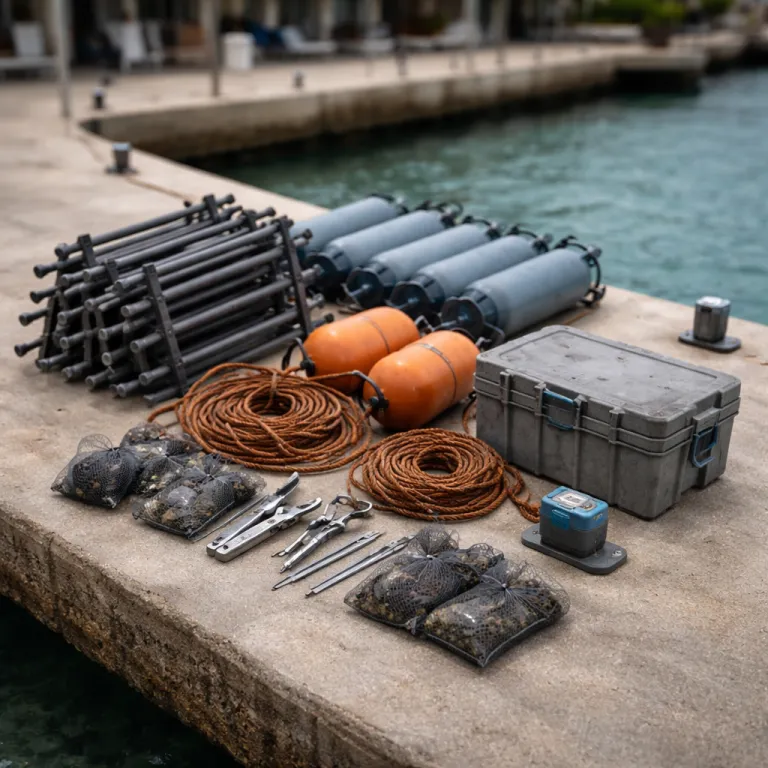
Unlike broad certifications that cover everything from laundry to lighting, a Reef Renewal Curaçao hotel partnership is about the coral reef itself. The programme focuses on coral nurseries, outplanting and long term reef restoration, with Ocean Encounters and LionsDive Beach Resort as anchor partners on the island. For guests, that means the same reef they snorkel or dive during a short Curaçao coral restoration trip or curacao dive excursion is the one being rebuilt through their stay.
Curaçao’s scale makes this especially powerful for premium hotels. From Willemstad to LionsDive Beach and Avila Beach Hotel, most luxury properties sit within a short boat ride of active coral nursery sites and restored Curaçao reefs. When a resort claims to support reef renewal, guests can verify it in a single eco diving trip with Ocean Encounters or another dive Curaçao operator, watching coral fragments grow on nursery trees suspended in the marine blue.
The data behind the renewal Curaçao effort is already substantial. As of late 2023, more than 16,000 corals have been outplanted across eight coral nursery structures, and approximately 575 divers have been certified in restoration techniques through the reef renewal programme (figures drawn from RRFC impact updates and Curaçao Tourist Board sustainability briefings). For a Reef Renewal Curaçao hotel, these numbers are not abstract; they are the backbone of a conservation narrative that can be audited reef by reef.
That is why I argue this is Curaçao’s unique lever in the luxury space. Other islands talk about marine conservation in broad strokes, but Curaçao coral projects are tightly mapped to specific bays, specific reefs and specific hotel partners. When a resort lists Reef Renewal Curaçao in its sustainability report, it is pointing to coral reefs you can actually visit, not a distant foundation international project with no visible impact on the island.
For the business leisure executive extending a trip, this matters more than a green logo on a booking engine. You might spend mornings in meetings, then step straight from a conference room to LionsDive Beach for an afternoon diving session on a restored coral reef. One recent guest described surfacing from a half day Curaçao coral restoration trip and saying, “For the first time, I can see exactly where my hotel budget is helping the ocean.” That direct connection between boardroom and ocean, between hotel invoice and coral restoration work, is what elevates a Reef Renewal Curaçao hotel above competitors relying on generic conservation language.
There is also a reputational hedge at play. As climate scrutiny intensifies, procurement teams and travel managers will ask not just whether a resort supports conservation, but whether that support is traceable to a credible renewal foundation with transparent reporting. In Curaçao, RRFC fills that role, giving hotels a partner whose marine science credentials and community ties can withstand due diligence.
For travellers, the takeaway is clear. When you compare premium properties on the island, treat a Reef Renewal Curaçao hotel partnership as a baseline requirement, not a bonus amenity. Then look deeper into how each resort turns that partnership into real reef restoration, guest education and local community support along Curaçao’s coastline.
Why Curaçao is perfectly built for hotel–reef partnerships
Curaçao’s geography gives hotels an advantage that most Caribbean islands would envy. The fringing coral reefs sit astonishingly close to shore, which means a guest can leave a beach hotel lobby and be finning over a living coral reef within minutes. That proximity allows a Reef Renewal Curaçao hotel to integrate conservation into daily operations rather than treating it as an occasional marketing campaign.
On the south coast, LionsDive Beach Resort and Avila Beach Hotel illustrate how this works in practice. Both properties back directly onto calm marine conditions where coral reefs still retain structure, and both collaborate with Reef Renewal Foundation Curaçao on coral nursery installations and outplanting sites. Guests can book a curacao dive with Ocean Encounters from LionsDive Beach, then swim past nursery trees that their room nights helped finance.
The island’s compact size also concentrates expertise. Reef restoration teams, dive operators and hotel sustainability managers meet regularly, sharing data on coral restoration outcomes and reef restoration techniques across multiple reefs. That means a Reef Renewal Curaçao hotel is plugged into a dense local community of marine scientists, dive professionals and conservation volunteers, rather than operating in isolation.
RRFC’s partnership with Ocean Encounters is especially significant for luxury travellers who prioritise high service standards. This dive operator runs guided eco diving experiences where guests participate in coral restoration tasks under close supervision, turning a standard dive into a structured conservation activity. For business leisure guests, it is an efficient way to add meaningful impact to a tight schedule, often within a single afternoon and typically priced in line with a premium two tank dive.
The maturity of the renewal foundation’s programme is another differentiator. Coral nurseries have been in the water off Curaçao since the middle of the last decade, and the organisation now manages eight nursery sites with thousands of coral fragments growing at different stages. That long running presence gives hotels confidence that their conservation line item is tied to a stable foundation Curaçao institution, not a short lived pilot.
From a guest perspective, this maturity translates into choice. You can opt for a relaxed snorkel over shallow coral reefs near a beach resort, a more technical dive Curaçao trip to deeper reef slopes, or a structured coral restoration course that qualifies you to join future restoration dives worldwide. During one recent hotel supported coral nurseries Willemstad experience, a first time visitor summed it up simply: “I came for the private pool and left talking about coral fragments.” The same Reef Renewal Curaçao hotel can facilitate all three, tailoring experiences to different comfort levels and time constraints.
For travellers comparing Curaçao’s most exclusive hotels with private pools to other islands, this integrated reef access is a quiet but powerful differentiator. A suite with a plunge pool feels different when you know that a portion of your nightly rate supports coral reef work just beyond the breakwater. That is the kind of layered value that procurement driven buyers increasingly seek when they evaluate premium retreat venues.
It also helps that Curaçao’s tourism economy is deeply local. Many staff at LionsDive, Avila Beach and other high end properties have family ties to fishing communities and marine trades, so conservation is not an abstract concept. When a Reef Renewal Curaçao hotel invests in coral reefs, it is also investing in the long term resilience of neighbourhoods that depend on healthy ocean ecosystems for both tourism and subsistence.
For the executive traveller, this alignment between resort operations, marine conservation and local community support creates a more coherent story. You are not just booking a room on an island; you are entering a network where every dive, every reef restoration briefing and every conversation with staff reflects Curaçao’s decision to anchor its luxury proposition in the health of its coral reefs.
From LionsDive to Avila Beach Hotel: how to separate signal from greenwash
Not every hotel that mentions reef renewal deserves a sustainability premium. As Reef Renewal Curaçao partnerships become fashionable, some resorts will inevitably treat the relationship as a logo rather than a living commitment to coral restoration. For discerning travellers, the challenge is to distinguish a genuine Reef Renewal Curaçao hotel from a property that simply lists the foundation in a brochure.
Start with funding and metrics. A serious beach resort will be able to tell you how much it contributes annually to Reef Renewal Foundation Curaçao, and how that translates into coral outplants or new coral nursery structures on specific reefs. If a hotel cannot connect its conservation claims to numbers on the reef, you are likely looking at a performative partnership.
Next, examine on site programming. At LionsDive Beach Resort, for example, guests can join Ocean Encounters staff for guided tours of coral nurseries and nearby coral reefs, often combined with a short educational briefing on marine conservation. A comparable Reef Renewal Curaçao hotel should offer similar access, whether through eco diving excursions, snorkel tours or evening talks led by RRFC or other foundation Curaçao experts.
Transparency is the third filter. Ask whether the resort publishes an annual report or at least a concise update on its reef restoration work, ideally with photos from specific Curaçao reefs and coral reef sites. If the only evidence of conservation is a single line on the website, the partnership may not extend far beyond marketing.
There is also a useful counterexample on the island. Earlier generation interventions, such as the underwater sculpture park near LionsDive, were creative but less tightly linked to measurable coral restoration outcomes. They helped raise awareness of the ocean, but they did not always feed into the structured coral nursery and outplanting pipeline that defines the current renewal foundation model.
By contrast, today’s leading properties integrate reef renewal into the guest journey. A premium beach hotel might pair a morning strategy session with an afternoon dive Curaçao trip focused on coral restoration tasks, then host a debrief over dinner at one of Curaçao’s beachfront luxury hotels highlighted in guides to premium stays for discerning travelers. That kind of programming turns conservation into a core part of the stay, not a side activity.
For business leisure travellers, three questions cut through the noise. Ask which specific coral reefs your stay supports, how many corals were outplanted in the last reporting period, and what guest facing experiences exist beyond standard diving or snorkelling. A true Reef Renewal Curaçao hotel will answer quickly, with references to real reef sites, Ocean Encounters collaborations and RRFC training programmes.
It is also worth probing how the hotel engages the local community. Strong properties will highlight staff participation in reef restoration dives, partnerships with schools for marine education and procurement choices that favour local suppliers connected to conservation. When those elements align, you can be confident that the resort’s relationship with Reef Renewal Foundation Curaçao is embedded in daily operations.
As more Curaçao coral projects mature, I expect the market to move fast. Within two years, simply having a Reef Renewal Curaçao logo will be table stakes for any serious luxury resort on the island, and the real differentiation will come from measurable outplanting metrics and guest programmes that bring you face to face with the coral reef you are helping to rebuild.
What business leisure travellers and travel buyers should demand next
For executives and corporate travel buyers, Reef Renewal Curaçao partnerships are no longer a nice to have. They are becoming a practical tool for aligning travel spend with environmental, social and governance commitments, especially when choosing between premium Curaçao resorts and comparable properties on other islands. The key is to treat a Reef Renewal Curaçao hotel as a verifiable asset, not a vague sustainability gesture.
On an individual level, business leisure travellers can start by building reef restoration into their itineraries. A half day eco diving session with Ocean Encounters, focused on coral nursery maintenance or coral outplanting, can sit neatly between meetings and an evening of elegant dining in Curaçao at one of the island’s refined hotel restaurants. That balance of work, pleasure and conservation is precisely what modern executive travel is evolving toward.
Corporate buyers should go further and formalise expectations. When negotiating rates with a beach resort or urban beach hotel, ask for a breakdown of annual contributions to Reef Renewal Foundation Curaçao, the number of coral reefs supported and the volume of corals outplanted in the previous cycle. Those figures can be integrated into ESG reporting, turning a Curaçao retreat into a quantifiable marine conservation investment.
Retreat planners can also use reef renewal to differentiate programmes. Imagine a leadership offsite where mornings are spent on strategy, afternoons on structured coral restoration dives and evenings at curated restaurants from a guide to elegant dining, all based at a Reef Renewal Curaçao hotel with direct access to LionsDive Beach or Avila Beach. That kind of itinerary delivers both team cohesion and a clear conservation legacy on the island.
For this to work, hotels must embrace transparency. The most forward looking properties will publish dashboards showing coral restoration progress, including maps of Curaçao reefs, numbers of coral fragments in each coral nursery and updates on reef restoration outcomes after major events. When a resort shares that level of marine data, it signals confidence in its partnership with the renewal foundation and invites guests into the conservation process.
RRFC itself encourages this engagement. As the organisation notes in its public materials, “Participate in reef restoration dives. Visit partner hotels supporting the project. Learn about coral conservation efforts.” For travellers, those three sentences outline a simple roadmap for turning a standard island stay into a meaningful contribution to Curaçao’s coral reef future.
Looking ahead, I expect procurement teams to start benchmarking Curaçao hotels not just on room rates and meeting space, but on coral restoration metrics per euro spent. A resort that can show a clear link between corporate bookings and measurable gains on nearby coral reefs will have a compelling edge over competitors, especially when companies face scrutiny over the environmental impact of incentive travel.
For the individual executive, the calculus is more personal. Choosing a Reef Renewal Curaçao hotel means your morning swim, your afternoon curacao dive and your sunset drink on the beach all sit within a wider story of marine conservation and local community resilience. On an island where the reef is never far from the lobby, that feels less like an optional extra and more like the new definition of luxury.
Key figures shaping Curaçao’s reef linked hotel future
- More than 16,000 corals have been outplanted around Curaçao by Reef Renewal Foundation Curaçao, creating new coral reef structures that directly benefit nearby hotels and dive operators (RRFC data, corroborated by Curaçao Tourist Board sustainability briefings, latest consolidated figures reported for 2023).
- Eight active coral nursery sites now operate along Curaçao’s south coast, giving Reef Renewal Curaçao hotel partners multiple nearby locations for guest education and eco diving experiences (RRFC programme descriptions and Ocean Encounters conservation dive outlines, updated through 2023).
- Approximately 575 divers have been certified in coral restoration techniques through RRFC programmes, expanding the pool of qualified volunteers who can support reef restoration dives linked to hotel stays (RRFC training statistics shared in public impact reports for 2015–2023).
- Key hotel partners currently include LionsDive Beach Resort and Avila Beach Hotel, both of which integrate coral reefs and marine conservation messaging into their guest experiences on the island (RRFC partner list and Curaçao Tourist Board hotel profiles consulted in 2023).
Trusted references for further reading
- Reef Renewal Foundation Curaçao – official project and impact updates, including coral outplanting totals, nursery locations and diver training statistics, with annual summaries that travel buyers can reference in ESG reports.
- Ocean Encounters Curaçao – dive centre information and conservation focused diving programmes, with sample itineraries for eco diving and coral restoration experiences ranging from half day Curaçao coral restoration trips to multi day courses.
- Curaçao Tourist Board – background on the island’s marine parks, sustainable tourism initiatives and profiles of hotels participating in reef restoration partnerships, including dedicated sections on Reef Renewal Curaçao hotel collaborations.