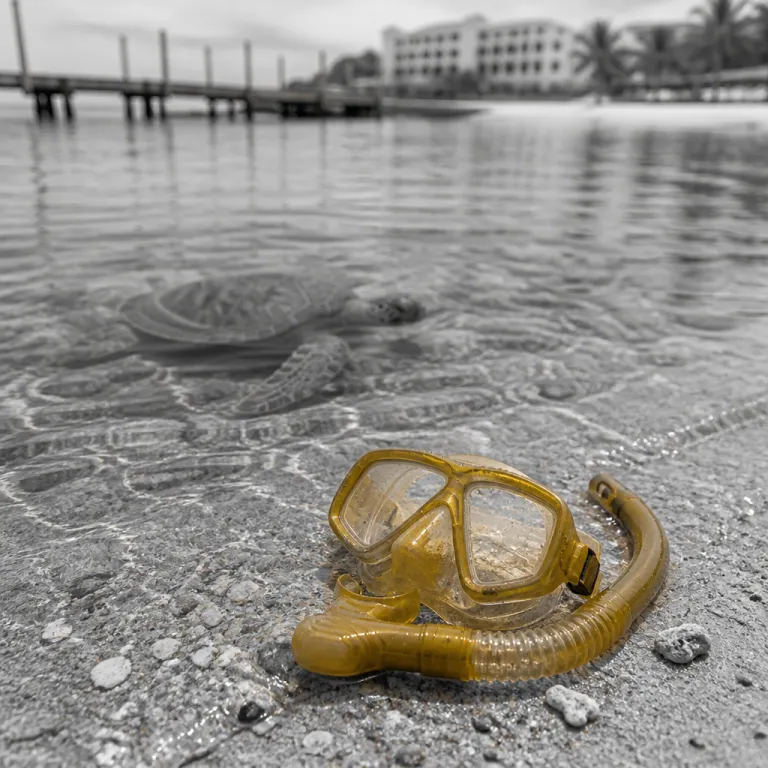
Why Curaçao’s west coast is built for family snorkelling
The leeward side of Curaçao sits in the rain shadow of the island, so the sea here stays unusually calm for most of the year. Natural fringing reefs run close to shore along many beaches, creating shallow lagoons where waves break on the outer coral rather than on the sand. For families planning snorkelling in Curaçao with kids and turtles in mind, this reef structure means children can float above coral gardens in waist deep water while the open Caribbean remains safely beyond.
Because Curaçao is located outside the main hurricane belt and sheltered from Atlantic swells, visibility often exceeds 20 m and conditions stay stable enough for nervous children. The island’s limestone terraces step gently into the sea, so several beaches in Curaçao offer a sandy entry that transitions gradually into reef instead of a sudden drop off. This combination of geology and current patterns is why family travel specialists quietly rate Curaçao above some better known ABC Islands neighbours such as Aruba and Bonaire for first snorkel experiences, especially between roughly December and August when trade winds and swell are typically most predictable.
On a map, you will see how the heart of Curaçao curves like a protective arm around its bays, from Willemstad to Westpunt, and that shape matters for young snorkellers. Many of the top coves sit inside this curve, where wind and chop are filtered before they reach the beach. When you plan things in Curaçao around the sea, prioritise this west coast arc if you want calm water, short swims from the beach and a realistic chance of sea turtles gliding past your children in clear, shallow water.
Reading the bays: which coves work for children
Not every pretty playa on the island is right for kids, so it pays to read the shoreline carefully. A family friendly beach in Curaçao will usually show three signs at once; a sandy, gently sloping entry, a visible reef line within 20 to 30 m and minimal boat traffic close to swimmers. When you arrive at any of the smaller playas, take time to watch the surface for five minutes before your children enter the sea and note whether lifeguards or posted flags indicate changing conditions.
Shore diving favourites such as some entries near Boka National Park can be too steep or surge exposed for younger children, even when they rank among the best sites for experienced snorkellers. In contrast, bays like Playa Porto Mari and Playa Piskadó in Westpunt offer that crucial mix of easy access and nearby reef, which makes them ideal for relaxed family days focused on beginner friendly snorkelling and the possibility of turtle sightings in water that is often between 1.5 and 4 m deep close to shore. For couples returning to Curaçao with children after earlier romantic trips, independent guides to the island’s hotels and beaches for two, including curated overviews of couples’ stays, help you understand which coves feel intimate yet still work for family travel.
Look for where local families set up umbrellas on weekends, because residents know which beaches in Curaçao stay calm when the trade winds rise. If you see divers stepping down ladders into deep blue water with no sandy shallows, that entry is probably better left to adults while kid friendly snorkelling happens closer to a protected playa. When in doubt, ask a local dive master or beach attendant whether a specific cove is more of a shore dive or a children’s snorkel spot, and adjust your plan before anyone is already in the water.
The turtle circuit: where sea turtles meet shallow sand
For many families, the idea of combining Curaçao snorkelling, children and sea turtles is less a search term and more a mission statement. On this island, the most reliable place to align that dream with reality is Playa Piskadó, a small working playa in Westpunt where local fishermen clean their catch on the pier. As scraps drift into the sea, green turtles and hawksbills cruise through the shallows, turning this unassuming beach into one of the top turtle encounters in the Caribbean for children.
Because the turtles associate the pier with food, they circle close to shore, often in water shallow enough for confident children to stand between waves, typically around 1.5 to 3 m deep near the pier. The dynamic is simple; local fishermen attract turtles naturally, while tourists float respectfully above them with snorkel gear and life jackets for younger children. Local guidance from the Curaçao Tourism Board and Curaçao Marine Park reflects this balance, stating clearly that snorkelling with turtles is appropriate for children in calm bays with adult supervision, and reminding visitors not to touch, chase or feed the animals in line with local wildlife interaction rules.
Other bays such as Playa Porto Mari see sea turtles less predictably but still often enough to keep kids scanning the blue. Here, a double reef system creates calm inner water that suits both beginners and more adventurous Curaçao kids who want to fin a little farther, with depths starting around 2 m and gradually increasing as you approach the reef. If your hotel sits near a house reef highlighted in specialist guides to Curaçao hotels where the reef matters more than the pool, ask staff about early morning turtle sightings and any local regulations on marine life interaction, because that is when crowds are thinner and the animals often graze closer to shore.
Choosing the right luxury base for family snorkelling
Where you sleep shapes how easily your children slip into the sea each day. On Curaçao, the smartest luxury and premium hotels for families position themselves within a short drive of west coast beaches while still keeping you connected to Willemstad’s restaurants and the Queen Emma Bridge. When you browse a curated booking platform or specialist agency, look for properties that highlight direct access to calm bays rather than only a photogenic resort beach.
Resorts around Jan Thiel Bay, often written as Jan Thiel, offer polished facilities and an easy launch point for guided snorkel trips, though the immediate bay can be busy at peak time. Families who prioritise quieter turtle encounters often base themselves farther northwest, using a rental car to reach Shete Boka National Park, Playa Piskadó and other small playas within roughly 30 to 45 minutes’ drive from central Willemstad. Some new openings, including a TUI Blue property listed with detailed pricing on major Curaçao accommodation platforms, are positioning themselves as hubs for active family travel with on site watersports desks and structured snorkel introductions for children.
Ask any potential hotel how they support family snorkelling with kids and turtles before you book, not after you arrive. The best options either maintain their own small house reef, partner with trusted local operators for family focused excursions or provide complimentary gear sized for children. When a property understands that the heart of Curaçao for families lies as much in the water as in the room category, you feel it in the way staff talk about beaches, tide, and the simple joy of watching your children meet their first sea turtles.
Gear, timing and safety: setting children up for calm water confidence
Good logistics turn a nice snorkel into a relaxed ritual that children want to repeat. Many premium hotels on the island offer complimentary masks and fins, but sizes for smaller kids can be limited, so consider bringing a well fitting set from home, especially for children under 8. If you prefer to travel light, ask your hotel to recommend a rental shop near the beach you plan to visit, especially around Jan Thiel, Porto Mari or the central Willemstad area, and confirm that they stock junior masks, short fins and child sized snorkel vests.
Timing matters as much as equipment when you plan things in Curaçao around the sea. Early morning usually brings lighter wind, fewer crowds and softer light, which is kinder on young eyes and ideal for spotting turtles in clear water. Local guidance often notes that morning hours have fewer people in the bay, and that pattern holds at Playa Piskadó, Playa Porto Mari and several smaller playas near Shete Boka where sea turtles sometimes graze close to shore, particularly in the drier months when runoff is minimal and visibility can reach 20 to 30 m.
Safety for children starts on land, with a briefing about not touching coral, not chasing turtles and staying close to an adult at all times. Use reef safe sunscreen, rash guards and wide brimmed hats on the beach, then switch to long sleeved swim shirts in the water to reduce burn risk during family travel days that stretch longer than planned. Life jackets or snorkel vests for younger children, combined with clear rules about staying inside a defined area between the beach and a visible marker, keep the focus on colourful fish and graceful turtles rather than on managing waves or current.
Hidden coastal gems and national park edges for confident families
Once your children are comfortable in the water, you can widen the map beyond the obvious beaches. The coastline near Shete Boka National Park is mostly about dramatic blowholes and crashing surf, yet a few tucked away coves on the leeward side of the park offer calmer pockets where older kids can snorkel under close supervision. When you visit Shete Boka, keep the snorkelling to the protected west coast playas later in the day, and treat the park itself as a land based spectacle.
Further along the island, small unnamed playas between better known spots such as Porto Mari and Playa Piskadó can feel like private stages for your family, especially outside peak time. These coves rarely have facilities, so they suit families who already understand local sea conditions and who carry their own gear, water and shade. For many repeat visitors, this blend of polished resort comfort at night and low key daytime exploration is what makes Curaçao, among the ABC Islands, feel like the best balance between infrastructure and a sense of Caribbean edge.
Remember that Curaçao is located in the southern Caribbean, not far from Aruba and Bonaire, yet its snorkelling personality is distinct. The island’s mix of working fishing playas, national park headlands and hotel lined bays means you can tailor each day to your children’s confidence level. When you plan your next stay through a specialist platform that understands both luxury rooms and the realities of family snorkelling, you turn a simple beach holiday into a sequence of calm, sea turtle filled mornings that your children will talk about long after the sand has gone from their suitcases.
FAQ
Is snorkeling with turtles safe for children in Curaçao?
Snorkelling with turtles is considered safe for children in Curaçao when you choose calm bays, use life jackets for weaker swimmers and maintain close adult supervision. Official guidance from the Curaçao Tourism Board and Curaçao Marine Park states that snorkelling with turtles is suitable for children in sheltered coves with adults present. Focus on protected beaches such as Playa Piskadó or Playa Porto Mari rather than exposed rocky entries near Shete Boka National Park, and follow any posted rules about distance from wildlife.
Do we need to book a tour to see sea turtles?
You do not always need a tour to see sea turtles in Curaçao, because some beaches have turtles feeding very close to shore. Playa Piskadó in Westpunt is the clearest example, where local fishermen cleaning fish attract turtles into shallow water that children can reach from the beach. Tours to Klein Curaçao or other offshore sites add a boat experience and guided safety briefing, but for many families the most relaxed turtle encounters happen right from the sand.
What is the best time of day for kids to snorkel with turtles?
The best time of day for children to snorkel with turtles in Curaçao is usually early morning. At that time, wind and surface chop are lower, the sun is less intense and bays are quieter, which helps nervous kids feel secure. Morning hours often have fewer crowds, so turtles may graze closer to shore without being surrounded by large groups of snorkellers, especially during the drier season when visibility is typically highest.
Which Curaçao beaches are most suitable for beginner child snorkellers?
For beginner child snorkellers, look for Curaçao beaches with a sandy entry, gentle slope and visible reef within a short swim. Playa Porto Mari, Playa Piskadó and some sections of Jan Thiel Bay fit this profile better than steep, rocky entries near Boka National Park. Always check local conditions on arrival and ask lifeguards, dive shops or your hotel concierge whether the bay is appropriate for children that day, paying attention to any flag system or posted safety notices.
Should we bring our own snorkel gear for the kids?
Bringing your own snorkel gear for children is often the most comfortable option, because you can ensure a proper mask fit before you travel. Many luxury hotels and local shops on the island rent equipment, but sizes for very young kids may be limited or in high demand at peak time. If you prefer to rent, confirm availability with your hotel in advance and consider packing at least personal masks and snorkels for each child, plus any prescription lenses they may need.
Quick checklist for family snorkelling days
Plan early morning sessions for calmer seas; bring well fitting child sized masks, short fins and snorkel vests; carry reef safe sunscreen, rash guards and plenty of water; choose sheltered west coast bays such as Playa Piskadó or Porto Mari; and consult current advice from the Curaçao Tourism Board, Curaçao Marine Park or a trusted local operator like Go West Diving or Porto Mari Sports before heading into the water.
Sources
Curaçao Tourism Board; Curaçao Marine Park; local dive operators and family focused tour companies on the island; on the ground reports from Go West Diving and Porto Mari Sports regarding typical visibility, depth ranges and seasonal sea turtle sightings.