Curaçao cooking class local food heritage for luxury‑minded families
On Curaçao, the most memorable luxury is often a shared table. High end travelers now seek a Curaçao cooking class local food heritage experience that feels as considered as their suite category, yet warm enough for a curious child. The island rewards that curiosity with layered food culture shaped by the Dutch kingdom, the wider Caribbean and trade routes that once reached as far as México.
For families booking a premium hotel in Willemstad or along the quieter west coast, cooking classes turn a standard stay into something far richer. Instead of only admiring the Caribbean view from an infinity pool, you step into a kitchen where a chef explains why keshi yena matters as much as any beach. This is where Curaçao food stops being a restaurant menu and becomes a story told through local ingredients, patient hands cooking and the cultural flavors that bind generations.
Many luxury properties now weave curated cooking experiences into their stay package options. Some partner with independent chefs for intimate small groups, while others host in house classes that suit younger children and solo travelers equally well. When you choose carefully, a Curaçao cooking class rooted in local food heritage can sit alongside reef dives and spa time as one of the best dining experiences of your trip.
From hotel kitchens to Helmi Smeulders: where to cook as a family
Choosing between hotel based and independent Curaçao cooking experiences is less about price and more about depth. A luxury hotel class usually prioritizes convenience, with air conditioned kitchens, private transfers and a polished Caribbean cooking script that keeps children engaged. Independent tours, often led by chefs such as Helmi Smeulders, lean into bolder local flavors and a closer look at Curaçao Caribbean food culture.
Helmi Smeulders is widely associated with modern Caribbean cooking on the island, and her hands cooking sessions often focus on reimagined classics like keshi yena or bright funchi fries with pika di papaya. Families who want to learn local techniques without losing comfort can book curated tours through premium concierges, pairing a morning market visit with an afternoon cooking class in a shaded garden. For travelers interested in the island’s layered heritage, combining a kitchen session with a heritage themed walk in Willemstad or a visit inspired by Curaçao’s Sephardic Jewish story creates a powerful narrative arc.
Independent cooking classes usually keep to small groups, which suits both food lovers and families with shy children. Hotel based options can be arranged as private dining experiences, ideal for multi generational travel where grandparents prefer to watch rather than chop. Either way, the best Curaçao culinary heritage programs balance structure with spontaneity, letting kids stir a pot of stoba while adults talk quietly with the chef about how trade with México once shaped spice routes.
Market mornings and Plasa Bieu: sourcing the local ingredients
The soul of any Curaçao cooking session begins at the market, not the stove. Plasa Bieu in central Willemstad remains the island’s most atmospheric place to feel how local food, daily life and Caribbean heat intertwine. Families who join guided tours here taste stews, watch hands cooking over open pots and start to understand why Curaçao food culture is inseparable from the island’s working rhythms.
Premium concierges can arrange a curated tour that avoids the most crowded hours and focuses on stalls where vendors are happy to explain their local ingredients. Children tend to gravitate toward the bright colors of okra, pumpkin and hot peppers, while adults notice how flavors local to Curaçao echo ingredients used in México and across the wider Caribbean. Many cooking classes build a package that includes market tastings, a short walking tour of nearby streets and then a transfer to a kitchen where those same ingredients become keshi yena, kabritu stoba or funchi.
For families visiting outside peak holiday periods, some hotels pair market visits with seasonal festivals or cultural events, sometimes highlighted in guides such as September in Curaçao. This kind of planning lets food lovers fold music, art and dining experiences into one coherent day. Whether you are part of small groups or traveling as solo travelers, a morning at Plasa Bieu followed by a Curaçao cooking workshop focused on local food heritage will anchor your travel memories more firmly than any postcard view.
Keshi yena, funchi and stoba: what families actually cook
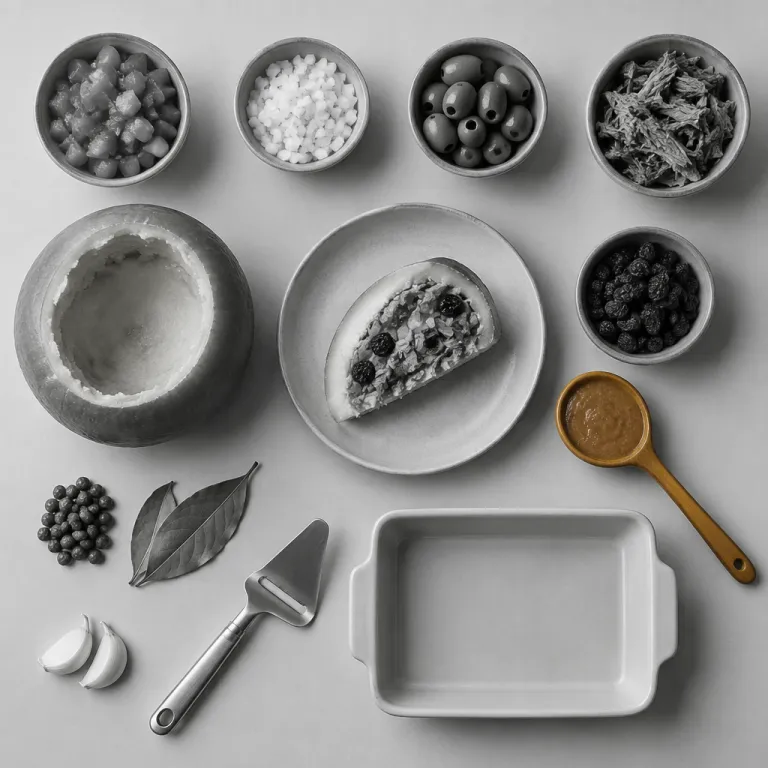
Once aprons are tied, the island’s history appears in the pots. A typical Curaçao cooking class for families might start with keshi yena, the iconic baked cheese filled with spiced chicken or beef, olives and capers that reflects both scarcity and ingenuity in Curaçao Caribbean history. Children usually enjoy pressing the cheese into its mold, while adults handle the knife work and learn local seasoning techniques from the chef.
From there, many classes move to funchi, a cornmeal side that echoes polenta yet carries distinct local flavors when enriched with butter, cheese or a ladle of stoba gravy. In hands cooking sessions, kids stir the thickening funchi and watch how constant motion transforms simple cornmeal into something silky, while food lovers ask about how similar dishes appear in México or other Caribbean islands. Stews such as kabritu stoba, made with goat, often simmer quietly in the background, filling the kitchen with layered aromas that speak of long Sunday lunches and family gatherings.
Some luxury hotel programs add a dessert component, perhaps a coconut based sweet or a local fruit tart, to round out the class. Others emphasize savory dishes only, then transition guests to a set table where the group shares the meal as part of curated dining experiences. Whether you booked the class as a stand alone package or as part of a longer stay, the best instructors keep the pace gentle enough for children yet detailed enough for serious food lovers who want to bring Curaçao food back home.
Planning your Curaçao kitchen experience from a luxury hotel base
For premium families, the question is not whether to cook, but how to integrate it elegantly into a Caribbean itinerary. Start by choosing a hotel whose concierge understands that a Curaçao cooking class local food heritage session is as important as a prime beach reservation or a sunset cruise. Properties with strong ties to local chefs can secure small groups or private classes that respect nap times, attention spans and the island’s languid pace.
When comparing options, look closely at what each package actually includes. Some hotel offers bundle a cooking class with a short tour of Willemstad, round trip transfers and even a photographer, while independent tours may focus more intensely on technique and local ingredients. If wellness is part of your travel brief, pairing a morning in the kitchen with an afternoon at an open air spa, such as those highlighted in guides to Curaçao’s beachside wellness experiences, creates a balanced day that still leaves time for the family to enjoy the hotel pool or nearby beach.
Solo travelers and couples can often join existing small groups, while larger families might prefer private dining experiences that end with a long, unhurried meal. Whatever your configuration, aim for at least one structured class and one more informal moment, perhaps chatting with a chef at breakfast about Curaçao food or watching hands cooking at a roadside stand during a day tour. That mix of curated and spontaneous experiences is what turns a simple Caribbean view into a deeper relationship with the island’s food culture and the flavors local families have guarded for generations.
FAQ
Are Curaçao cooking classes suitable for young children
Many Curaçao cooking classes are designed with families in mind and welcome children from around six years old. Tasks such as stirring funchi, assembling keshi yena or washing local ingredients are safe and engaging for younger participants. When booking, ask whether the class offers step stools, child sized aprons and a slower pace to keep children comfortable.
How long does a typical Curaçao cooking class last
Most Curaçao cooking sessions run between two and four hours, depending on whether a market tour is included. Shorter hotel based classes often focus on one or two dishes, ideal for families with limited attention spans. Longer independent experiences may add a visit to Plasa Bieu, a walk through Willemstad and a full shared meal at the end.
What should I wear to a cooking class in the Caribbean heat
Lightweight, breathable clothing and closed toe shoes are best for any hands cooking experience on the island. Kitchens can feel warm, so avoid heavy fabrics and bring a small towel if you tend to overheat. Some premium hotels provide aprons as part of the package, but it is wise to confirm this before you travel.
Can solo travelers join family oriented cooking classes
Solo travelers are usually welcome in mixed small groups, even when families form part of the class. Many chefs appreciate the dynamic that comes from combining parents, children and independent food lovers around one table. If you prefer an adults only environment, ask your hotel concierge to recommend a Curaçao cooking class local food heritage session tailored to that preference.
Is prior cooking experience necessary to enjoy these classes
No prior cooking experience is required, as instructors guide participants through each step with clear demonstrations. The focus is on learning about Curaçao food culture, tasting local flavors and sharing a relaxed meal rather than mastering professional techniques. More experienced cooks can always ask for extra detail on seasoning, timing or how to recreate dishes at home.