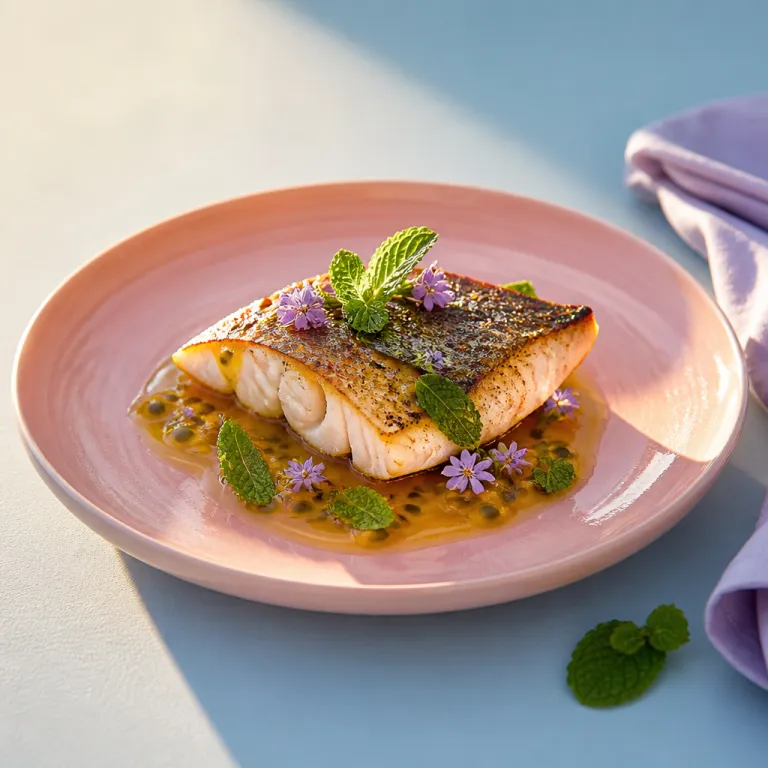
Curacao food as the quiet luxury of your stay
Curacao food is often the detail that turns a beautiful stay into a memorable story. On this colorful island, luxury hotels now treat cuisine as seriously as ocean views, weaving local dishes into refined tasting menus that still feel relaxed. Guests who plan their trip around flavor quickly see how the right restaurant choice can shape every day of a Caribbean escape.
In Willemstad Curacao, high-end properties frame every plate with a curated Curacao view, from pastel Dutch façades to the harbor where fishing boats land fresh seafood each morning. Curaçaoan chefs work closely with local farmers to bring island ingredients into elegant dining rooms, using traditional cooking techniques such as clay pots and open fire cooking while refining textures and presentation. This approach to local cuisine means you can enjoy Curacao flavors in both casual beach club settings and white tablecloth spaces without losing authenticity.
Curacao cuisine reflects centuries of African, Dutch, Caribbean, and Latin American influences, and luxury hotels now highlight that story through carefully structured menus. Many properties offer tasting journeys that move from light fish starters to slow cooked goat stew, pairing each course with blue Curacao cocktails or green rum infusions that reference the island’s distilling heritage. At resorts such as Avila Beach Hotel and Baoase Luxury Resort, chefs often describe their work as “telling the island’s story on a plate,” and when you choose a premium hotel that treats cuisine as a central experience, every day on the island opens window after window onto its culture through flavor.
From plasa bieu to five star plates in Willemstad
Travelers who care about Curacao food should plan at least one day around Plasa Bieu, the historic market hall in Willemstad where local dishes are cooked in open kitchens. Here you see how Curaçaoan cuisine lives in the hands of home style cooks, serving generous plates of stewed fish, goat stew, and rice to office workers and visitors at shared tables. Plasa Bieu typically opens on weekdays for lunch (hours can vary, so confirm with your hotel concierge), and many luxury concierges recommend starting there at midday, then moving to a waterfront restaurant in the evening to compare how the same ingredients appear in refined dishes.
Many premium hotels in Willemstad Curacao now build curated food itineraries that connect Plasa Bieu with high end dining rooms, so guests can taste both rustic and polished versions of local cuisine. A typical route might begin with a plate of red snapper at the market, continue with a sunset drink made from blue Curacao at a beach club, and finish with a multi course menu that reimagines keshi yena with aged cheese and delicate sauces. One concierge might suggest starting at the market stall where the cook ladles goat stew from a blackened pot, then ending the day with a tasting menu where the same meat appears as a slow braise with plantain purée and citrus glaze. This balance between street level flavor and hotel sophistication helps travelers understand why the island has become a serious Caribbean food destination.
Curacao food also carries echoes of the wider Dutch colonial world, and some hotel restaurants reference Indonesian satay and rice table traditions in their menus. If you are interested in this side of the story, look for properties that highlight the Indonesian table in Curacao and explain how colonial history shaped today’s Caribbean cuisine, as explored in this in depth guide to the Indonesian table in Curacao on a specialist hospitality site. By choosing a hotel that connects you to both Plasa Bieu and these layered influences, you turn each meal into a lens on the island rather than just another reservation.
Signature dishes every luxury guest should seek out
Among all Curacao food experiences, keshi yena is the dish most luxury travelers remember long after checkout. Hotel chefs reinterpret this traditional preparation of stuffed cheese with spiced meat in countless ways, from miniature amuse bouches to dramatic whole cheese domes carved at the table. A classic version might arrive as a molten sphere of Gouda filled with shredded chicken, olives, capers, and tomato, while a contemporary tasting menu might present a thin cheese shell wrapped around slow cooked beef. When you see keshi yena on both casual and fine dining menus, you are tasting the bridge between home cooking and high end cuisine on the island.
Another essential part of Curacao food is the range of stews and braises that appear in both local restaurants and resort dining rooms. Goat stew, often simmered for hours with local spices, now appears beside lighter fish dishes such as grilled red snapper or fresh seafood platters that showcase the daily catch. Many chefs pair these plates with cocktails based on blue Curacao or herbal green rum, creating a complete expression of island flavor in a single meal.
Luxury hotels increasingly build their identity around these specialties, and some now design entire menus around the island flavors that travelers most want to eat. At properties like Renaissance Wind Creek Curacao Resort, tasting menus might move from a refined keshi yena course to desserts scented with orange liqueur. When you choose a property that treats these recipes as cultural heritage rather than simple food, you support Curaçaoan chefs and help keep local dishes central to the island’s story.
Beachfront dining, forts, and the best Curacao view for food lovers
Curacao food tastes different when you eat it with the sea just a few metres away. Many luxury hotels position their main restaurant directly on the beach, so you can enjoy fresh seafood while waves break softly beside your table. These beach club venues often serve grilled fish, red snapper ceviche, and light Caribbean dishes at lunch, then shift to candlelit tasting menus as the sun sets.
In Willemstad, several high end properties sit near historic fort walls, giving guests a striking Curacao view that combines heritage and harbor life. Dining in or near a fort setting allows you to enjoy local cuisine while watching ships depart on a Caribbean cruise, a reminder of how trade routes shaped the island’s pantry. Some restaurants even design menus that reference the fort’s history, pairing Dutch cheese courses with Caribbean rum desserts dusted with powdered sugar for a playful contrast.
Architecture focused travelers should also pay attention to how hotel design frames each meal, because the right space can elevate Curacao food as much as the ingredients. Properties that blend Dutch colonial lines with Caribbean modern interiors create dining rooms where every window feels like a curated island postcard, a theme explored in depth in this analysis of Dutch colonial meets Caribbean modern design in Curacao’s new hotels. When you combine that thoughtful design with attentive service and precise cooking, a simple plate of local dishes becomes a complete sensory experience.
Planning a Curacao food focused stay from Florida and beyond
Many luxury guests arrive for Curacao food experiences from Florida, often pairing the island with a city break in Fort Lauderdale. Direct flights from Lauderdale Florida and other regional hubs (routes change seasonally, so check current schedules) make it easy to leave a busy urban restaurant scene in the morning and sit down to local cuisine on the beach by late afternoon. Travelers who plan carefully can enjoy a final dinner in a Fort Lauderdale restaurant, then wake up the next day to breakfast with a Curacao view and a plate of island fruit.
For those arriving from Fort Lauderdale or other Florida hubs, it helps to think of Curacao food as the culinary reward at the end of a short hop south. Some Caribbean cruise itineraries also include the island as a key southern Caribbean stop, giving passengers a single day to eat Curacao specialties before sailing on. In that case, booking a day pass at a luxury beach club or premium hotel can secure access to refined local dishes, fresh seafood, and attentive service in one place.
When planning your stay, look for hotels that clearly explain their approach to cuisine rather than just listing generic international dishes. Properties that highlight partnerships with local farmers, Curaçaoan chefs, and markets such as Plasa Bieu usually offer a more authentic Curacao food journey. By aligning your flights, transfers, and restaurant reservations before leaving Florida, you ensure that every day on the island revolves around the flavors you came to taste.
How luxury hotels curate local cuisine with global polish
High end properties on the island now treat Curacao food as a form of cultural storytelling rather than a simple amenity. Culinary teams study traditional methods such as clay pot stewing and open fire grilling, then refine them with precise timing and modern plating. This fusion of old and new allows guests to enjoy local dishes that feel both comforting and elegant in the same meal.
Many hotel restaurants in Willemstad Curacao and along the coast build menus that move gracefully between Dutch influences and Caribbean ingredients. A typical progression might start with a cheese course inspired by Gouda, continue with fish or fresh seafood caught that morning, and finish with a dessert that uses powdered sugar to echo European pastries while incorporating tropical fruit. Beverage programs often highlight blue Curacao and green rum in sophisticated cocktails, turning familiar island spirits into complex pairings for each course.
Partnerships with cultural institutions such as Kura Hulanda and collaborations with local farmers help hotels stay grounded in the island’s history while appealing to international palates. Guests might tour Kura Hulanda during the day to understand Curaçao’s past, then return to a restaurant where the menu reflects African, Dutch, Caribbean, and Latin American influences in a single tasting. This is where Curacao food becomes more than sustenance, offering a nuanced narrative that rewards curious travelers who ask questions and engage with the staff.
Practical tips to eat Curacao like a seasoned luxury traveler
To make the most of Curacao food during a premium stay, start by speaking with your hotel concierge on arrival. Ask specifically for recommendations that combine local cuisine with strong views, such as a beach club lunch followed by a fort side dinner in Willemstad. This simple conversation often opens window after window onto hidden restaurants and special menus that casual visitors never find.
Plan at least one day where food is the main focus rather than an afterthought between excursions. Begin with a market style breakfast or early lunch at Plasa Bieu, continue with an afternoon tasting of blue Curacao and green rum at a waterfront bar, and finish with a multi course menu that highlights keshi yena, goat stew, and fresh seafood. By structuring your day around these experiences, you give Curacao food the time and attention it deserves.
Finally, remember that the island’s most memorable dishes often appear in simple settings as well as polished hotel dining rooms. Try both a casual restaurant that serves straightforward fish and rice and a fine dining venue that reinterprets the same ingredients in intricate dishes. As one local guidebook explains succinctly, “What is Keshi Yena? A traditional dish of stuffed cheese with spiced meat.” and “Is iguana meat commonly eaten? Iguana stew is available in some traditional eateries, though it is not an everyday dish for most residents.”, and tasting these specialties in different contexts will deepen your understanding of how Curacao food shapes the island’s identity.
Key figures shaping Curacao food and culinary travel
- The Curaçao Culinary Association documents a broad repertoire of traditional dishes in the local cuisine, giving hotel chefs a wide base for creative menus while still allowing guests to sample a meaningful portion during a week long stay.
- Curaçaoan cuisine blends African, Dutch, Caribbean, and Latin American influences, a combination that helps luxury hotels appeal to travelers from multiple regions who recognize familiar flavors in new forms.
- Food traditions on the island have developed over several centuries, with modern adaptations in recent years, which means today’s visitors experience both historical recipes and contemporary fusion dishes in the same trip.
- Culinary initiatives that promote local cuisine aim to enhance cultural appreciation and tourism, and high end hotels play a central role by featuring local dishes prominently on their restaurant menus.
FAQ about Curacao food in luxury and premium hotels
What makes Curacao food different from other Caribbean cuisines ?
Curacao food stands out because it blends African, Dutch, Caribbean, and Latin American influences in a single culinary tradition. You will find European style cheese dishes beside hearty stews, fresh seafood, and tropical ingredients, often on the same menu. This mix allows luxury hotels to create refined tasting journeys that still feel deeply local.
Which Curacao dishes should I prioritize in a high end hotel ?
Focus on keshi yena, goat stew, and fresh seafood such as red snapper when dining in premium properties. Many hotel restaurants offer elevated versions of these classics, sometimes as part of curated tasting menus. Ask your server which plates best represent the chef’s interpretation of local cuisine.
Can I experience authentic local cuisine without leaving my resort ?
Many luxury hotels now work closely with Curaçaoan chefs and local farmers to bring authentic flavors into their restaurants. Menus often feature local dishes such as stews, grilled fish, and island desserts alongside international options. For deeper immersion, choose properties that highlight partnerships with markets like Plasa Bieu or cultural institutions such as Kura Hulanda.
How can I combine market food and fine dining in Willemstad ?
Plan a day that starts with lunch at Plasa Bieu in Willemstad, where you can try generous portions of local dishes in a lively hall. In the evening, book a table at a waterfront restaurant or hotel dining room that offers refined versions of Curacao food. This contrast between rustic and polished settings gives you a complete picture of the island’s cuisine.
Is Curacao a good destination for food focused travelers from Florida ?
Curacao is an excellent option for travelers from Fort Lauderdale and other Florida cities who want a short flight to a rich culinary scene. Direct connections from Lauderdale Florida and nearby airports (subject to airline changes) make it easy to plan long weekends centered on Curacao food, from beach club lunches to multi course dinners in Willemstad. With careful planning, you can enjoy both urban dining in Fort Lauderdale and island cuisine in a single trip.