How Curaçao’s architecture shapes the luxury hotel experience
Curaçao’s most refined hotels use architecture as a kind of silent concierge. Their façades, courtyards, and sea-facing terraces guide how you move, relax, and connect with the island. Every archway, veranda, and colonnade is designed to frame the Caribbean light in a deliberate way.
On a premium hotel booking website focused on Curaçao, the equivalent of a “V4 Pipeline en cours” is a rigorous, multi-step curation process that screens properties for architectural and design quality. This behind-the-scenes editorial review filters out generic buildings and highlights hotels where Dutch colonial heritage, Caribbean color, and contemporary comfort coexist. When you browse such a platform, you are effectively walking a digital promenade of carefully chosen architectural statements.
Luxury travelers often care as much about the building as the bed. They want to know whether a seafront suite sits in a restored merchant house, a low-rise modernist resort, or a cliffside villa with panoramic glass walls. A well-structured, architecture-first selection pipeline makes it easier to compare these identities side by side and choose the kind of space that feels right for you.
Dutch colonial heritage reimagined for premium stays
Willemstad’s historic districts, especially Pietermaai and Scharloo, offer some of the island’s most characterful places to stay. Many luxury hotels occupy former townhouses with thick coral-stone walls, high ceilings, and shuttered windows that temper the tropical heat. These buildings were originally designed for trade and family life, yet they now host refined suites, private plunge pools, and intimate courtyards.
When a Curaçao-focused booking platform applies this kind of editorial curation to heritage properties, it looks beyond colorful façades. It evaluates how faithfully the restoration respects original floor plans, rooflines, and ornamental details, while integrating modern comforts such as soundproofing, efficient air conditioning, and rainfall showers. Guests benefit from this architectural due diligence because they can choose a historic stay without sacrificing sleep quality or climate control.
Local architect-driven projects, such as the conversion of 18th- and 19th-century mansions in Pietermaai into boutique hotels, show how carefully restored staircases, galleries, and inner patios can feel both authentic and luxurious. Well-known examples include the adaptive reuse of waterfront townhouses along the Handelskade and the restoration work led by firms like IMD Curaçao, which demonstrate how conservation guidelines and contemporary hospitality standards can coexist. If you plan to stay in the heart of Willemstad, study how each property engages with its street and neighbors. Some hotels open directly onto pastel-lined lanes, inviting you to step into the city’s rhythm, while others retreat behind gates and inner gardens for more privacy.
Where Dutch colonial meets Caribbean modern on the shoreline
Along Curaçao’s coastline, luxury hotels often blend gabled roofs and bright stucco with sleek glass, steel, and stone. This hybrid style allows properties to echo the island’s maritime past while embracing open-plan layouts and expansive sea views. The result is architecture that feels rooted yet unmistakably contemporary.
A booking website that follows a design-led review methodology will highlight how each property negotiates this balance. It might showcase a resort where traditional roof tiles shelter minimalist suites, or a cliffside retreat where classic verandas transition into infinity pools and shaded decks. For travelers comparing options, these architectural descriptions are as important as room size or breakfast details.
To understand this design language in depth, look for editorial content that explains how Dutch colonial forms are being reinterpreted for modern hospitality. Articles that unpack the evolution of Curaçao’s new hotels can help you read rooflines, façades, and outdoor spaces with a more informed eye. When a booking platform integrates such insights into its selection process, it becomes easier to choose a hotel whose architecture truly matches your travel style. On image-driven pages, alt text such as “oceanfront Curaçao resort with Dutch gables and infinity pool at sunset” or “restored Willemstad townhouse hotel with pastel façade” can also guide visually led decisions.
From courtyard havens to oceanfront terraces: how spaces feel in real life
Architecture in Curaçao’s luxury hotels is not only about façades; it is about how spaces feel as you move through them. A narrow entrance can open into a generous courtyard, where palm trees, plunge pools, and shaded lounges create a private oasis. In contrast, a low-slung resort might use broad terraces and open corridors to keep the sea constantly in view.
When you browse a premium booking website that uses a structured, architecture-focused evaluation, pay attention to how it describes circulation and transitions. Does the lobby lead directly to the beach, or through gardens and courtyards that slow your pace and lower your shoulders? Are restaurants perched above the water, tucked into historic rooms, or spread across decks that catch the trade winds?
These spatial choices affect everything from noise levels to privacy. Travelers who value quiet may prefer inward-facing courtyards with thick masonry walls, while those who crave energy might choose hotels where bars and pools overlook lively bays. A carefully designed curation pipeline helps surface these nuances, so you can align your booking with the atmosphere you want, not just the star rating.
Reading materials, textures, and light when choosing your hotel
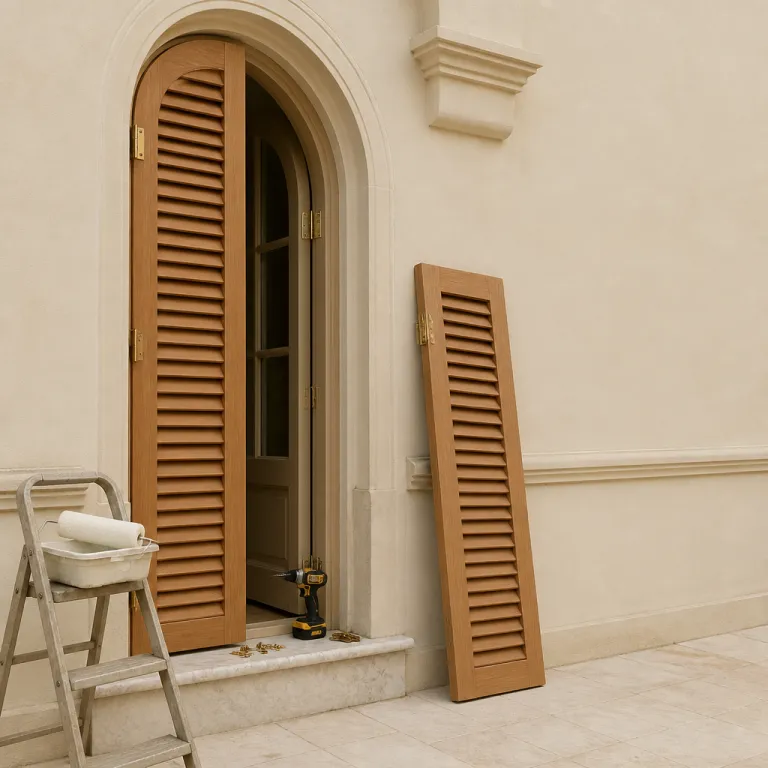
Materials tell a clear story in Curaçao’s high-end hotels. Coral stone, hardwood shutters, and terracotta tiles speak of tradition, while polished concrete, frameless glass, and slim metal railings signal a more contemporary approach. The most successful properties combine these elements to manage heat, light, and humidity with quiet efficiency.
A booking platform that operates with a design-review mindset will highlight these material choices in its descriptions and photography. Look for mentions of shaded colonnades, deep balconies, and louvered shutters, which help control sunlight and allow natural ventilation. Notice whether public spaces use light-colored surfaces to reflect heat, or darker tones to create intimate evening atmospheres.
Lighting design is equally important, especially in luxury environments where guests expect both drama and comfort. Soft, indirect lighting in corridors and gardens can make late-night walks feel safe and serene, while well-placed accent lights can emphasize historic cornices or contemporary art. When a booking website explains these details clearly, it signals that its curation pipeline values lived experience, not just visual impact. For accessibility and search visibility, descriptive image alt text such as “Curaçao boutique hotel courtyard with lantern lighting and coral-stone walls” can further clarify what guests will encounter on site.
Using architecture focused filters and content on booking platforms
For travelers who care deeply about architecture, the way a booking website is structured matters. Filters for “historic building”, “heritage district”, or “design-forward” properties can save hours of scrolling. Detailed photo galleries, floor plans, and neighborhood maps help you understand not only the room, but the building and its context.
On a Curaçao-specific platform that follows a clear editorial review process, you can expect more than basic amenities lists. Curated collections might group hotels by architectural era, façade style, or spatial concept, such as courtyard houses, cliffside retreats, or urban mansions. This kind of organization allows you to compare properties that share a design philosophy, even if they differ in size or price.
Editorial features and destination guides add another layer of insight, especially when they explain how Dutch colonial heritage and Caribbean modernism intersect in real projects. When such content is linked directly to hotel listings, the booking journey becomes more informed and more enjoyable. In practice, the best platforms act as both travel agent and architecture guide, helping you choose a stay that feels as thoughtfully designed as the island itself.
Key figures on Curaçao’s luxury and premium hotel landscape
- According to the Curaçao Tourist Board, the island recorded more than one million visitor arrivals in 2023, with a significant share choosing higher-end accommodation; this sustained demand supports continued investment in architecturally ambitious hotels. For precise, up-to-date statistics, consult the official tourism reports published by the board.
- Willemstad’s historic core, including the Handelskade waterfront, is part of a UNESCO World Heritage Site, and dozens of protected buildings have been converted into upscale hotels, ensuring that heritage architecture remains actively used rather than purely preserved.
- Several leading resorts on Curaçao offer direct beachfront access within roughly 50 to 150 metres of guest rooms, a design choice that maximizes sea views while respecting coastal regulations and natural topography. Individual property fact sheets and site plans provide the most reliable confirmation of exact distances.
- Industry commentary on Caribbean resort development indicates that newer luxury properties on islands like Curaçao often dedicate a substantial share of their footprint to outdoor spaces such as gardens, pools, and terraces, reflecting a design trend that prioritizes open-air living and visual connections to the sea. Because percentages vary by project, readers should refer to developer disclosures and architectural case studies for specific figures.
FAQ about Curaçao’s luxury hotel architecture and booking
How important is architecture when choosing a luxury hotel in Curaçao?
Architecture strongly influences comfort, privacy, and sense of place in Curaçao’s luxury hotels. Heritage buildings offer character and thick walls that help with temperature and noise, while modern resorts often provide larger windows, open layouts, and expansive terraces. Deciding which matters more to you will narrow your search quickly.
Are historic hotels in Willemstad as comfortable as new resorts?
Many restored properties in Willemstad now match modern resorts in comfort, thanks to upgraded insulation, air conditioning, and plumbing. The key is to read descriptions carefully and look for recent renovation details. Guest reviews that mention quiet rooms and efficient cooling are especially valuable.
What should I look for in photos when assessing hotel design online?
Focus on how rooms connect to outdoor spaces, not just on décor. Check whether balconies are deep enough for shade, and whether windows have shutters or blinds that manage light. Also study corridors, lobbies, and gardens to understand circulation and atmosphere.
Is it better to stay in a heritage district or on a private beach?
Staying in a heritage district like central Willemstad offers walkable access to restaurants, culture, and colorful streetscapes. Beachfront resorts provide immediate sea access, quieter nights, and more resort-style amenities. Your choice depends on whether you value urban energy or coastal seclusion.
How can a booking website help me choose by architecture, not just price?
A well-designed platform will offer filters for historic buildings, design-led properties, and specific neighborhoods. It will also provide rich photography, clear floor plans, and editorial content explaining local architectural styles. When these elements are present, you can align your booking with the type of space and atmosphere you prefer.